
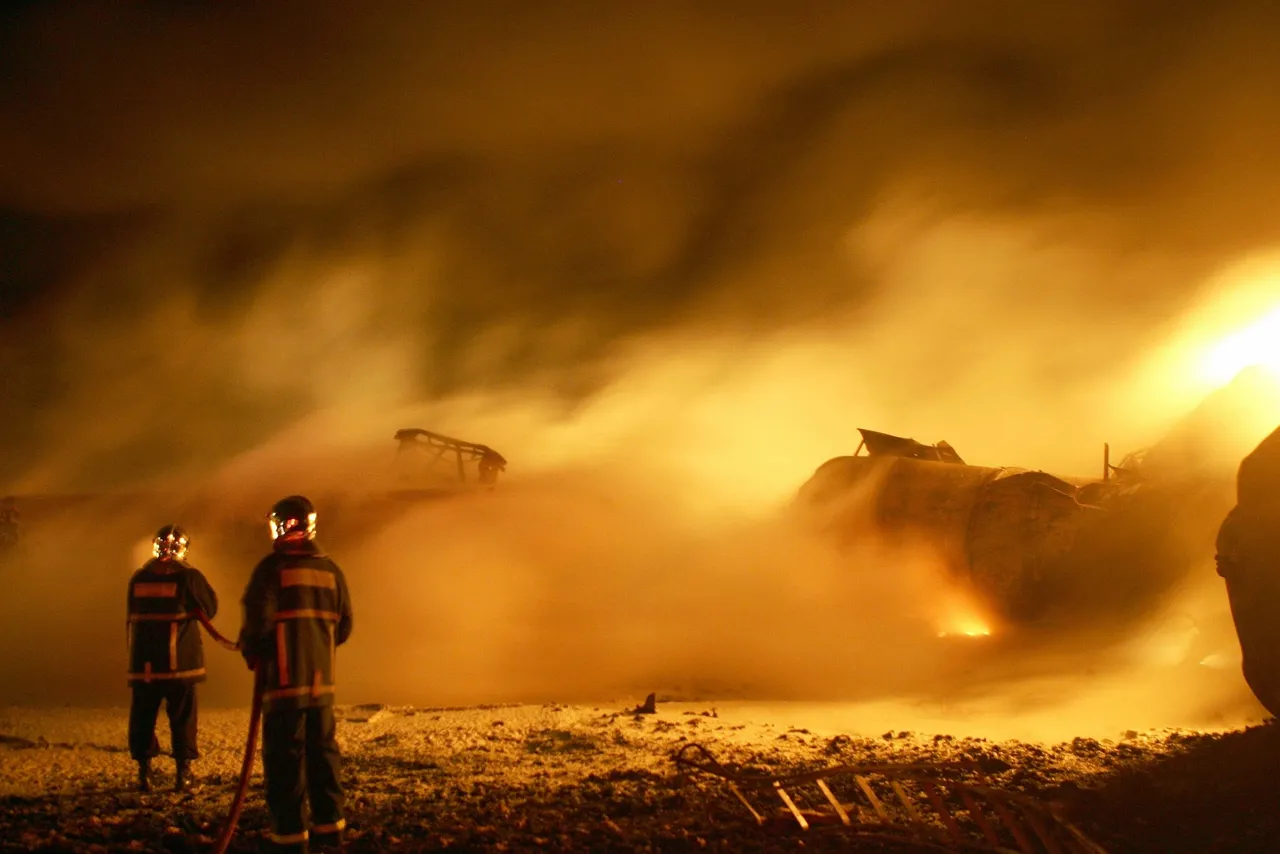
A Backpacker’s Guide to Hiking and Wildfires
By Cap Puckhaber, Reno, Nevada
I have lived in Reno for years and watched the smoke settle over the Truckee Meadows far too often. The mountains I used to explore without a second thought now require a tactical plan before I even lace up my boots. Wildfires have grown demonstrably longer in duration and intensity since the turn of the decade. These blazes now begin in the early spring and stretch well into the late autumn months.
Every hiker and backpacker feels the ripple effects of these massive burns across our national forests. My favorite loops in the Sierra Nevada often sit behind closure signs for months at a time. This shift forces us to rethink how we interact with the great outdoors. You must understand how these fires shape the future of recreation if you want to stay safe.
Understanding the Growing Fire Threat
The traditional summer hiking season is no longer a predictable window for clear skies and open trails. I remember a time when August meant alpine lakes and crisp air. Now, that same month often brings a thick orange haze that stings the lungs and obscures the granite peaks. These fires pose a significant risk to both the fragile ecosystems and our own human lives.
The immediate danger of the flames is only the first part of a much larger problem. Fire creates long-lasting consequences for the trails, the local wildlife, and the park facilities we rely on. We are seeing a pattern where fires burn hotter and faster than they did in previous generations. This trend makes it crucial for every outdoor enthusiast to stay informed and adjust their expectations.
Why the Soil Changes Forever
I used to think a forest would just bounce back after a fire moved through the undergrowth. Research from groups like the U.S. Fish and Wildlife Service shows that high-severity fires actually change the soil composition. These intense blazes burn so hot that they scorch the earth and destroy the structural integrity of the ground. Scorched soil often loses its ability to support the plant life that lived there for centuries.
Some forest soils even become water-repellent after a particularly intense heat event. This means the old forest might not grow back in the way you remember it. Invasive grasses or scrub often take over the landscape instead of the original majestic trees. You are essentially looking at a permanent shift in the local environment that affects everything from drainage to shade.
Chemical Shifts in the Earth
Severe fires can also double the concentration of toxic compounds found within the dirt. Polycyclic aromatic hydrocarbons can inhibit new plant growth and stall the recovery of a burn scar. These chemical and physical changes make it much harder for the entire ecosystem to rebound. We are witnessing a long-term loss of forest cover in areas that were once densely wooded.
I find it sobering to realize that some of these landscapes will not recover in our lifetime. The loss of a canopy changes the temperature of the ground and the types of animals that can survive. Biodiversity always suffers when a fire is too hot for the native seeds to survive the transition. We have to respect the fact that the ground beneath us is fundamentally different after the smoke clears.
The Toll on Mountain Biodiversity
Wildlife faces a brutal struggle for survival when a massive fire sweeps through a mountain range. The loss of habitat can push certain species toward local extinction in a very short amount of time. I look at the old-growth tree canopies as the skyscrapers of the forest. When those fall, the owls and other nesting birds lose their homes for decades.
It can take more than a century for large trees to return to a high-severity burn site. Some ecosystems might never fully rebound if the climate conditions continue to shift. Invasive species often establish themselves first because they are more aggressive than native plants. This creates a new version of the wilderness that lacks the diversity of the original forest.
Nature and the Power of Resilience
I must acknowledge that fire is also a natural part of many healthy ecosystems. Many plants and animals have evolved to survive or even benefit from periodic low-intensity burns. Certain pine cones only open to release their seeds after they feel the heat of a flame. This means some forests actually require fire to reproduce and stay healthy over the long term.
New vegetation that sprouts after a smaller fire can create excellent food for the local deer. Rodents often shelter in deep burrows while larger mammals flee the area and return later. But the modern frequency of these massive fires is testing these ancient adaptations. When a fire burns too hot, it overwhelms the regenerative capacity of the land and leads to permanent damage.
How Fires Impact Trail Access
The most immediate impact for a hiker is the sudden closure of a beloved park or trail system. Land managers will frequently close large regions for both public safety and ecological recovery. I have seen trails in the Sierra Nevada sit empty during the peak of the summer season. Backcountry campsites can remain closed even if the active fire is many miles away from the site.
You should always check the latest conditions before you embark on any backcountry trip. The National Interagency Fire Center provides excellent updates on where the smoke and flames are moving. Local and federal agencies issue warnings to keep people out of high-risk areas during the windiest days. Accessing certain peaks can become impossible when the risk of a new ignition is too high.
The Danger of Falling Trees
A burned forest is full of silent hazards that can hurt you even on a sunny day. Trees that were weakened by a fire can fall without any warning at all. Even if a charred trunk looks solid, the roots might have burned away beneath the surface. Hikers in burn zones face a very high risk from these falling limbs and trunks.
I call these trees widow-makers because they are so unpredictable and deadly. The likelihood of a treefall remains high for several years as the dead roots begin to rot. You should avoid traveling through these areas when the wind starts to pick up speed. A simple gust can bring down a massive pine that has stood for a hundred years.
Navigating Unstable Ground
The heat of a wildfire can destroy the root systems that once anchored the mountain soil. This leaves the ground riddled with ash pits and deep holes where old stumps used to be. You might find that the soil is much looser and more prone to sliding under your weight. Trails in burn scars often become uneven and can give way beneath your boots.
Sections of a path can crumble or erode after a single heavy rainstorm. I have seen entire switchbacks disappear because the vegetation was no longer there to hold the dirt. You must navigate these areas with extreme caution to avoid a dangerous fall. It is often better to take a long detour than to risk a section of unstable trail.
Rockfalls and Shifting Slopes
Vegetation helps stabilize the steep hillsides that hikers love to climb. When a fire removes that green cover, the slopes become prone to dangerous sliding events. Burned-over slopes can shed heavy rocks and boulders that were once held in place by strong roots. The year following a fire is often the most dangerous time for these rockfalls.
Entire sections of a trail can end up buried under a pile of granite debris. I have encountered paths that were completely obliterated by a landslide after a summer burn. Retaining walls and wooden steps are often destroyed by the weight of shifting earth. You will find that there is no safe path across a slope once the rocks start to move.
Flash Floods and Trail Washouts
Burned soil cannot absorb water well and causes rain to run off in a violent torrent. A burned watershed can experience a sudden flash flood during a heavy downpour. These floods carry ash and mud along with charred logs in a thick debris flow. Trails located in canyon bottoms are especially vulnerable to being washed out by these surges.
Even a moderate rain can clog a stream channel and then release a wall of water. This force can obliterate bridges and entire sections of a trail in its path. I have seen sturdy footbridges twisted like pieces of wire after a post-fire flood. You should stay away from creek beds if there is any chance of rain in a burn scar.
Respecting Official Trail Closures
Land managers often keep burned areas off-limits for weeks or months while they assess the damage. Officials must mitigate the hazards before they can allow the public to return safely. This work involves removing thousands of hazard trees that threaten to fall on the path. They also need to stabilize the hillsides to prevent further erosion and landslides.
Sometimes a trail is so damaged that it effectively disappears from the map. Rebuilding a destroyed mountain path is a major undertaking that can take several seasons to complete. I urge you to respect these closures for your own safety and for the recovery of the land. Entering a closed area can hinder the work of the crews or trigger a needless rescue.
The Economic Cost of Fire
Wildfires carry heavy consequences for the mountain communities that rely on outdoor tourism. Popular trails draw visitors who spend money on lodging and food and gear. When a fire shuts down access to a national park, the nearby towns see an immediate decline in revenue. I have seen thriving mountain villages turn into ghost towns during a bad fire year.
A major fire in a peak summer month can cost a region tens of millions of dollars. These represent thousands of canceled trips and hotel rooms that never got used. Many small businesses struggle to survive a downturn that lasts for an entire season. Some establishments experience a catastrophic failure and never return to their previous levels of success.
Recovery and Infrastructure Costs
Wildfires also impose direct costs for trail restoration and the repair of park infrastructure. Land management agencies must invest heavily in rebuilding bridges and cutting new trail treads. This funding often comes from the same budgets used for general maintenance and improvements. Every large fire event can rack up millions of dollars in rehabilitation costs.
Financial strain often means that new projects like visitor centers are put on hold indefinitely. I have seen local nonprofits step in to raise funds for the repairs that the government cannot afford. Replacing burned signs and warning postings can cost thousands of dollars for a single forest district. The economic burden of a fire includes both the lost tourism and the high price of restoration.
My Advice for Trip Planning
Planning is the most important part of any hike in an area affected by fire. I always tell people to stay informed by checking for real-time alerts on official websites. Many parks now use apps to notify hikers about smoke levels and active fire activity. You should prepare for the possibility of sudden changes to your itinerary.
I pack items that help me handle smoke or a potential emergency evacuation. An N95 mask can protect your lungs if the wind shifts and brings smoke into your valley. You should also carry a physical map or a GPS device to navigate areas where the trail is gone. This preparation helps you avoid getting lost in a landscape that has been drastically altered.
Checking the Air Quality
You should never start a hike without checking the local air quality and smoke forecasts. I use a reliable resource like AirNow at to get real-time data from the EPA or WatchDuty. This site provides maps that show exactly where the smoke is most concentrated. Many local weather apps also integrate this information into their daily forecasts.
Strenuous activity in smoky air can cause long-term damage to your respiratory system. I have made the mistake of pushing through a hike when the air was thick with ash. My lungs burned for days afterward and I regretted not checking the sensor data. If the air quality is in the red zone, you should stay inside and wait for a clear day.
Dealing with Smoke on the Trail
If you smell smoke or see a fire while you are hiking, your safety is the only priority. Do not try to investigate the source of the smoke or take photos for social media. You should leave the area immediately and move away from the direction of the flames. I always try to move downhill or downwind if the terrain allows for a safe exit.
Once you are in a safe location with cell service, you must report the fire to the authorities. Provide as much detail as possible about your location and the size of the smoke column. Do not assume that someone else has already called it in. Your quick report could be the difference between a small fire and a massive blaze.
The Rules for Backcountry Campfires
The safety of a campfire depends entirely on the local conditions and current legal restrictions. You must check for fire bans before you even think about packing a stove or matches. Many areas in the western United States have total campfire bans for the entire summer. I prefer to use a small gas stove for cooking to minimize the risk of a stray spark.
Even if fires are permitted, you should follow every principle of the Leave No Trace program. Use an existing fire ring and never leave a flame unattended for a single second. You must drown your fire with water until the ashes are cold to the touch. One small ember can start a fire that destroys a thousand acres of forest.
The Resilience of Nature
Wildfires cause significant damage but our mountain ecosystems are incredibly resilient over time. Volunteer organizations and land management agencies work hard to restore the paths we love. I find it inspiring to see how a charred landscape can begin to turn green again. You will see wildflowers and small shrubs return to the burn scar within a few years.
It is a long process that requires patience from the entire hiking community. Always obey the trail closures in post-fire areas to give the plants a chance to take root. Your cooperation helps the land heal so that future generations can enjoy the same views. We are all stewards of these public lands and our actions matter.
How to Get Involved
If you are passionate about hiking, you should consider helping with the recovery efforts. There are many ways to support the parks and forests that have been damaged by fire. I volunteer with organizations that work to plant trees and clean up debris on the trails. You can find more information about these efforts at the National Forest Foundation at https://www.nationalforests.org or through local clubs.
These groups are deeply involved in reforestation projects and work to restore the most damaged areas. Practicing fire safety yourself is the best way to prevent future disasters from happening. You should educate others about the risks of human-caused fires and the importance of prevention. Taking a small amount of time to help can make a huge difference for the forest.
A Mistake I Made Once
I want to share a personal “don’t” example so you can learn from my own poor judgment, decided to hike a trail that had recently reopened after a small fire and ignored the forecast for high winds because I was desperate to get into the mountains. About three miles into the hike, a large charred limb snapped and fell just ten feet in front of me.
The sound was like a gunshot and the impact shook the ground beneath my feet. I realized then that “open” does not mean “hazard-free” in a post-fire environment. I turned around immediately and headed back to my truck with a racing heart. Now, I always consider the wind speed as much as the trail status before I head out.
Trail Recovery Success Stories
The recovery of the Columbia River Gorge after the 2017 fire is a great example of what is possible. Thousands of volunteers contributed tens of thousands of hours to repair the damaged trail network. Many beloved trails like Multnomah Falls were able to reopen within a single year. This shows that community action can accelerate the healing process for our favorite places.
I find hope in these stories because they prove that we are not helpless against fire. Crews replaced destroyed bridges and cleared thousands of falling trees to make the area safe again. You can see the new growth returning to the steep canyon walls today. The landscape has changed but the beauty of the Gorge remains for all to see.
Rebuilding the Smoky Mountains
The Great Smoky Mountains also faced a massive challenge after a fire swept through in 2016. This was a region that rarely saw large burns and was not accustomed to the damage. Many trails were closed but most have since reopened thanks to extensive rehabilitation work. Hikers can still see the charred trunks but the forest floor is now lush and green.
Nature has a way of bouncing back if we give it the space and time it needs. The National Park Service monitored the erosion and helped the most sensitive areas recover. I think it is important to remember that every fire is a learning experience for land managers. They use these events to design better trails and manage the forest more effectively.
The Impact of Climate Change
Climate change plays a major role in the increasing threat that wildfires pose to our wildlands. Higher temperatures and longer droughts make the forests more likely to ignite and burn severely. I have noticed that the window for safe hiking is shrinking as the world gets warmer. Spring comes earlier and the autumn rains seem to arrive later every year.
Warm temperatures and a reduced snowpack leave the forests dry and ready to burn much sooner. We are seeing larger and hotter fires driven by these erratic weather patterns. This directly threatens our hiking trails by raising the odds of a destructive burn. Areas that once rarely saw fire are now at constant risk throughout the summer.
Challenges for Long Distance Hikers
For hikers on the Pacific Crest Trail, the challenge of fire is becoming a regular part of the journey. It is increasingly difficult for thru-hikers to complete the entire trail in a single season. Sections are frequently closed by active fire or blanketed in dangerous levels of thick smoke. What used to be a rare detour has turned into a standard part of the experience.
Beyond the immediate closures, the very character of the landscape is changing for the long term. A trail that once wound through a lush forest might now run through miles of charred trees. This alters the experience for decades to come and forces us to adapt our expectations. We must be prepared for a wilderness that looks very different than it did in the past.
The Role of Community Efforts
Community and volunteer efforts are the backbone of trail restoration in the modern era. Government resources are often stretched thin by the high costs of fighting the fires themselves. Volunteers step up to fill the gap by organizing work parties to repair the damage. They work in partnership with agencies to prioritize which trails are the most important.
I have spent many weekends with a saw and a shovel helping to clear fallen logs. These tasks are critical for making the burned areas safe and passable for the public. We repair the trail surface and install drainage to prevent further erosion from the rain. Without this work, many of our favorite trails would remain closed for much longer.
Moving Forward Together
We are all part of the solution when it comes to protecting our public lands from fire. Stay informed and follow the rules so that we can all continue to enjoy the outdoors. I believe that our collective efforts can make a difference in the resilience of our forests. We must be responsible stewards of the places that give us so much joy and peace.
The trails of the future will require more care and more attention than they ever have before. I am committed to being part of that effort and I hope you will join me. We can ensure that the beauty of the wilderness remains for the hikers who come after us. Thank you for taking the time to understand these complex and important issues.
Frequently Asked Questions
Is it safe to hike in an area with a recent fire history?
It is safe if the land managers have officially reopened the trail to the public. You should still be very careful about falling trees and unstable ground during your hike. Avoid these areas on windy or rainy days to minimize your risk of injury. Check the official park website for any specific warnings or remaining hazards before you go.
How can I find out if a trail is closed due to a fire?
You should check the official website of the National Park Service or the U.S. Forest Service. They provide real-time alerts and maps that show which trails and roads are currently closed. You can also call the local ranger station to get the most up-to-date information for your specific destination. Apps like Recreation.gov are also helpful for checking permit and access status.
What should I do if I am caught in smoke while hiking?
You should cover your nose and mouth with a damp cloth or an N95 mask if you have one. Move away from the smoke by heading toward lower ground or toward an area with less vegetation. Try to stay calm and follow your map to the nearest safe exit point or trailhead. Once you are safe, report your observations to the local authorities as soon as possible.
Can I still use a camping stove during a fire ban?
This depends on the specific level of the fire restrictions in place for that area. Some bans allow for the use of pressurized liquid or gas stoves with a shut-off valve. Other more strict bans might prohibit any form of open flame or heat source in the backcountry. Always check the current fire stage restrictions for the exact forest or park you are visiting.
How can I volunteer to help with trail restoration?
You can contact local hiking clubs or national organizations like the Pacific Crest Trail Association. They frequently organize volunteer work parties that focus on clearing and repairing fire-damaged trails. Most groups provide the necessary tools and training for new volunteers who want to help. This is a great way to give back to the outdoor community and learn about forest health.
About the author
Cap Puckhaber is a marketing strategist, finance writer, and outdoor enthusiast. He writes across CapPuckhaber.com, TheHikingAdventures.com, SimpleFinanceBlog.com, and BlackDiamondMarketingSolutions.com. Follow him for honest, real-world advice backed by 20+ years of experience.
A Hiker’s Guide to Extreme Weather
Hiking Rescues and Hiker Responsibility
A Hiker’s Guide to Active Volcanoes

Follow Cap Puckhaber on Social Media


About the Author: Cap Puckhaber
Backpacker, Marketer, Investor, Blogger, Husband, Dog-Dad, Golfer, Snowboarder
Cap Puckhaber is a marketing strategist, finance writer, and outdoor enthusiast from Reno, Nevada. He writes across CapPuckhaber.com, TheHikingAdventures.com, SimpleFinanceBlog.com, and BlackDiamondMarketingSolutions.com.
Follow him for honest, real-world advice backed by 20+ years of experience.