
Gear Reviews Made Simple
How to Select the Right Women’s Backpacking Backpack
Disclaimer: I DO NOT EARN ANY COMMISSIONS FOR RECOMMENDING THESE PRODUCTS.
Table of Contents
- My Top Picks for Women’s Backpacking Backpacks
- How to Choose the Perfect Backpack: A Deep Dive
- Pro Tips for a Perfect Fit
- Backpack Care and Maintenance
- Final Thoughts from Cap Puckhaber
- Frequently Asked Questions (FAQ)
Choosing a backpack is the most important gear decision a hiker makes. I have spent years testing, lending, and maintaining these bags for various trail conditions. While I am not a woman, I have helped dozens of female hikers find their perfect fit. These recommendations come from observing what consistently performs across countless miles. My wife and fellow hikers have tested these in the Grand Canyon and the Pacific Northwest.
Finding a pack that fits a woman’s body is essential for safety. A good bag supports the load and meets specific adventure goals; it shouldn’t just be helpful, it must be a perfect match. You might feel overwhelmed with so many rucksacks and hiking packs on the market. I have been there, standing in a gear shop and staring at a wall of nylon.
Defining the Primary Hiking Style
Before buying anything, you must identify a primary hiking style. Some people prefer fast and light summit pushes, while others enjoy slow walks with heavy luxury items like camp chairs. Because every hiker has different needs, the bag must reflect personal habits. A hiker should not buy a massive expedition pack for a simple two-mile stroll.
Specific goals determine the weight a person will carry. I always suggest making a gear list before looking at packs. If a hiker carries a heavy camera or a thick book, they need a sturdier frame. Since comfort depends on this balance, take the time to plan. Cap Puckhaber knows that a mismatched bag ruins the most beautiful scenery.
Why a Women’s-Specific Fit is Everything
The term “women’s specific fit” isn’t just marketing fluff. It represents fundamental design changes that account for general differences in female anatomy. According to gear experts at REI and Backpacker, a proper fit is the most important factor in a pack. These designs are engineered to solve common comfort issues—like rubbing and bruising—that many women face with standard unisex packs.
It all starts with the torso length. Women, on average, have shorter torsos than men of the same height. Women’s packs are built with shorter and often more adjustable torso length ranges. The shoulder straps are also designed to be narrower and set closer together. This prevents them from uncomfortably slipping off your shoulders or digging into your armpits. Most feature a distinct “S-curve” shape that contours around a woman’s chest instead of pressing down on it. If the straps are straight, they often pinch the arms; the curved design allows for a full range of motion.
The hipbelt is arguably the most important piece of the puzzle. A good pack should place about 80% of its weight on your hips, not your shoulders. Women’s hipbelts are typically shaped with a conical or upward-canted angle to sit securely on top of the iliac crest (the top of your hip bones). I have found this makes a massive difference in endurance; if the belt stays put on the body’s strongest platform, the hiker can cover longer distances without the pain that causes frequent stops.
Understanding Pack Capacity: Matching Volume to Your Adventure
Choosing the right volume, measured in liters (L), is a practical decision dictated entirely by the duration and type of your trip. Using a pack that’s too big often leads to overpacking. I have made this mistake many times—I once brought a 70-liter pack for a two-day trip and filled the extra space with heavy cast iron pans. My back was screaming after only three miles. Conversely, a pack that is too small can compromise safety by forcing you to leave essential gear at home.
- Single-day excursions: 15 to 30 liters is perfect. This is enough space for essentials like water, snacks, a first-aid kit, a headlamp, and an extra layer.
- Overnight trips: When adding a tent, stove, and extra food, you need 30 to 50 liters. These are great for minimalist weekend trips or gear-heavy winter day hikes.
- Multi-day hikes (3-5+ days): A larger pack in the 50-liter and above range is mandatory. These have robust suspension systems designed to handle the weight of a full shelter system and several days of food.
Decoding Key Features and Materials
Modern backpacks are marvels of engineering. The pack’s suspension system—the frame, back panel, shoulder straps, and hipbelt—acts as the engine to transfer the load to your hips. Most modern packs use an internal frame, which provides stability and keeps the pack snug against your body.
Ventilation is another huge factor in comfort. Many packs now feature ventilated back panels using a tensioned mesh design. This creates a space between your back and the pack, allowing air to flow freely. On a hot, strenuous climb, this feature can be the difference between being comfortable and being miserable.
Finally, pay attention to the materials. Packs are usually made from durable nylon fabrics like ripstop or Cordura. You’ll see a Denier (D) rating; a higher number means a thicker, heavier, and more durable fabric. A good pack will often use a tougher, higher-Denier fabric on the bottom. Most packs also have a polyurethane (PU) coating for water resistance, but as Backpacker Magazine notes, no pack is truly waterproof without a rain cover.
How to Measure and Fit Your Pack
Even the best-reviewed pack is useless if it doesn’t fit your unique body. The Appalachian Trail Conservancy lists proper fitting as a top tip for new backpackers because a poor fit leads to general misery on the trail.
To find your size, you must locate the iliac crest (the top of your hip bone). I suggest putting your hands on your hips to find that ridge. Measure from the C7 vertebra (the prominent bone at the base of your neck) down to the imaginary line across your hips. This single measurement determines your pack size (XS, S, M, etc.).
The Ultimate 7-Step Fit Test Always use 15-20 pounds of weight to simulate a real load when testing.
- Loosen All Straps: Start with everything completely loosened.
- Position the Hipbelt: Padding should be centered over your hip bones, about an inch above the iliac crest. If it’s too high, it squeezes the stomach; if too low, it interferes with your stride.
- Tighten the Shoulder Straps: They should be snug enough to prevent swaying but shouldn’t carry significant weight.
- Engage the Load Lifters: Pull these to a 45–60 degree angle to pull the pack closer to your body.
- Adjust the Sternum Strap: Position it about an inch below your collarbone to prevent the shoulder straps from pinching your arms.
- Walk Around: Spend ten minutes walking and using stairs to check for pressure points.
- Simulate Movement: Lean and twist; the pack should move with you, providing stability in motion.
Backpack Care and Maintenance
Your backpack is a significant investment. Throwing it in a washing machine can destroy the frame and the water-resistant coatings. Instead, hand wash your pack in cool water using a mild, non-detergent soap. Use a soft brush for zippers and areas that contact your skin. Rinse thoroughly and hang it upside down, with all pockets open, to air dry completely. It must be 100% dry before storage to avoid mildew.
Store your pack in a cool, dry place away from direct sunlight, which can degrade the fabric. Keep straps loosely buckled and consider a silicone spray for the zippers. A little preventative maintenance ensures your gear will last for thousands of miles.
Choosing Day Hiking Backpacks for Women
Day hiking packs are trusty companions for single day adventures. They are small and light. Most are built for comfort and convenience. These bags work perfectly for carrying water, snacks, and an extra layer. You can also fit all ten essentials inside them easily. I don’t think anyone needs a massive hauler for a six mile loop.
The Osprey Tempest 20 is a favorite for a very good reason. It is lightweight but surprisingly durable. This pack features a breathable back panel and stretchy exterior pockets. The hip belt pockets are perfect for snacks or a phone. I have seen the Tempest excel on quick summit scrambles in New Hampshire. It moves with the body beautifully while navigating rocky sections.
Ventilation and Summer Loops
A good daypack should feel like it is barely there. Because heat builds up quickly, ventilation is a top priority. I recommend looking for mesh back panels that keep air moving. The Tempest handles this well without adding too much bulk. But you must ensure the straps don’t rub the neck during long miles.
Small packs allow for greater mobility on technical terrain. If a hiker is climbing over logs or rocks, a slim profile helps. I find that a twenty liter bag is the sweet spot for most. It keeps the wearer nimble while holding enough water for a full afternoon. This size also fits well in a car or a small locker.
Minimalist Options for High Intensity
The Deuter Speed Lite 22 SL offers a minimalist design with surprising support. It is ultralight yet remains very stable. The ergonomic fit avoids unnecessary straps and clutter. This one is a great go to for fast hikers. I also suggest it when someone is intentionally packing light. If a hiker values speed over a ton of features, this pack is a brilliant choice.
It won’t weigh a person down during long climbs. Because the SL line is for shorter torsos, it fits many women perfectly. I have noticed that the straps are set narrower than unisex models. This prevents the pack from sliding off the shoulders during a run. Since it stays snug, the hiker can focus on their footwork.
Streamlined Gear for Peak Bagging
Fast hikers often strip away every extra ounce. The Speed Lite achieves this by using thinner yet strong materials. You won’t find a heavy internal frame here. But the padding is sufficient for a light load. If a hiker carries more than fifteen pounds, they might want more structure. I recommend this bag for trail running and quick peak bagging.
Ventilated Comfort for Hot Climates
Gregory Juno 24 H2O shines for hikers who prioritize comfort in hot weather. Its VaporSpan ventilated suspension system is a lifesaver on humid days. This system creates a gap between the back and the pack for incredible airflow. It even comes with its own hydration bladder. I have seen this pack perform on scorching summer hikes in Texas.
The pack prevents a soaked shirt at the end of the day. The 3D cradle hip belt makes load distribution feel nearly effortless. Even on demanding trails with lots of elevation gain, it stays stable. Because the weight stays off the spine, the hiker feels less fatigue. Since it includes a reservoir, the buyer saves money on extra gear.
Staying Hydrated on the Move
Hydration is the most important part of mountain safety. The Juno makes it easy to sip water without stopping. I like the dedicated sleeve that keeps the bladder secure. If the bladder shifts, it can ruin the balance on a ledge. This pack prevents that issue with a smart clip system. But the owner must remember to clean the hose after every trip.
My Top Picks for Women’s Backpacking Backpacks
Let’s get right to it. You want to know which packs we trust on the trail. After years of testing, lending, and living out of these things, We’ve developed some strong opinions. These are the packs that have consistently performed for me and fellow hikers across countless miles, from the dusty trails of the Grand Canyon to the misty forests of the Pacific Northwest. We’ve selected these based on their fit, durability, and thoughtful design
Day Hiking Backpacks for Women (15–30 Liters)
Day hiking packs are your trusty companions for single-day adventures. They’re small, light, and built for comfort and convenience. These bags are perfect for carrying water, snacks, an extra layer, and the ten essentials. You don’t need a massive hauler for a six-mile loop, and a good daypack should feel like it’s barely there while still holding everything you need for a safe and enjoyable hike.
Osprey Tempest 20
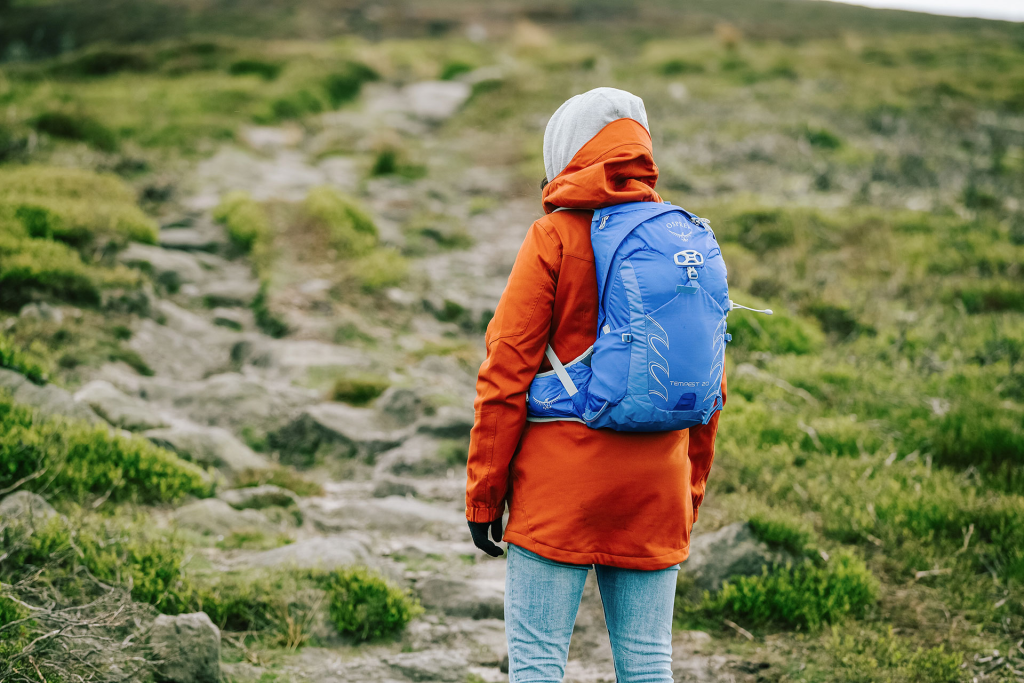
Osprey knows how to design packs that fit women’s bodies, and the Tempest 20 is a favorite for a reason. Lightweight but surprisingly durable, this pack features a breathable back panel, stretchy exterior pockets, and a hydration sleeve. The hip belt pockets are perfect for snacks or your phone. We’ve used my Tempest on everything from quick summit scrambles in New Hampshire to longer day hikes in Zion. It hugs your back comfortably and moves with you, which is a fantastic feature when you’re navigating rocky sections or moving quickly. It’s a true workhorse.
Deuter Speed Lite 22 SL
Deuter’s SL line, which stands for “Short Length,” is specifically tailored for women, and the Speed Lite 22 offers a minimalist design with surprising support. It’s ultralight yet stable, with an ergonomic fit and a simple exterior that avoids a lot of unnecessary straps and clutter. This one’s my go-to for fast hikes or when I’m intentionally packing light. If you’re a trail runner or a hiker who values speed and efficiency over a ton of features, this pack is an absolutely brilliant choice that won’t weigh you down.
Gregory Juno 24 H2O
For hikers who prioritize comfort, especially in hot weather, the Gregory Juno 24 shines. Its VaporSpan ventilated suspension system is a lifesaver on humid days, creating a gap between your back and the pack that allows for incredible airflow. It even comes with its own hydration bladder. I took this pack on a scorching summer hike in Texas, and it was the first time I finished a trail without my shirt being completely soaked through. The 3D cradle hip belt makes load distribution feel nearly effortless, even on more demanding trails with lots of elevation gain.
Best Backpacking Packs for Women (50–70 Liters)
Evaluating Multi Day Backpacking Packs
The backpack becomes a mobile home on multi day hiking trips. This is where a perfect fit becomes non-negotiable. A hiker needs a pack that carries weight efficiently. It must also feel comfortable after eight hours of walking. A poorly fitting pack can genuinely ruin a trip. Because the weight sits on the spine, the hiker must choose carefully.
I have seen many people quit because of bad gear. Osprey Ariel 65 is a powerhouse pack that does not compromise on comfort. I recommend the Ariel 65 for gear heavy trips in the Rockies. Its support is unmatched for carrying heavy loads. The Fit-on-the-Fly hip belt is a lifesaver on day three of a long trip.
Adjusting the Load for Distance
Weight changes as a hiker eats their food. The Ariel allows the wearer to adjust the hip belt while walking. I find this feature incredibly helpful for long expeditions. If the belt is loose, the pack will bounce and cause bruises. Since the wearer can tighten it easily, comfort remains consistent. This is a pro tip from Cap Puckhaber for serious trekkers.
Support for Extended Expeditions
Gregory Deva 60 is a dream for those heading out for a week or more. I always recommend this pack to hikers who complain about sore shoulders. Its plush padding and pivoting hip belt create great support. The hip belt moves with the body on uneven terrain. It features a U-zip front panel for easy gear access.
This pack makes heavy loads feel much lighter. The pivoting straps adjust to the shoulder angle automatically. Because the pack moves with the hiker, it reduces the risk of chafing. I suggest this bag for those carrying more than thirty pounds. Since it includes a rain cover, the gear stays dry in storms.
Managing Bulk in the Woods
Large packs can become messy if they lack organization. The Deva solves this with multiple pockets and access points. I love the side-bottle holsters that allow for easy reaching. If a hiker has to take the pack off to drink, they will get tired faster. This bag keeps essentials within reach at all times. But the hiker should still practice packing gear in a specific order.
High Value Options for Beginners
Budget conscious hikers should check out the REI Co-op Traverse 60. This in-house offering from REI punches way above its price tag. It features a well-ventilated back panel and a supportive hip belt. The hiker does not have to empty the whole bag to find a rain jacket. I have seen earlier models of this pack last for years.
It holds up beautifully through many rough seasons. Plus, the commitment to quality and a great return policy make it a safe choice. It is a fantastic value for anyone starting a hiking journey. Because the price is lower, the hiker can spend more on a high quality tent. Since it is durable, it will last for several seasons of heavy use.
Quality Without the Premium Price
A hiker does not always need the most expensive brand to be safe. The Traverse provides the same basic features as many premium packs. I have seen it perform well on overnight trips in the Sierra Nevada. The suspension handles moderate loads without sagging. If a person is a beginner, this is the best place to start. But everyone should still get a professional fitting at the store.
Selecting Versatile All Around Backpacks
Sometimes a hiker needs a pack that can do it all. These middle range packs are the chameleons of the gear world. They are perfect for gear heavy day hikes or minimalist overnights. Some even work as a carry-on for international travel. They offer enough space for a small tent and sleeping bag.
The hiker won’t feel the bulk of a full sized expedition pack. This versatility is great for people who only want one bag. Osprey Kyte 36 is one of the most versatile women’s backpacking backpacks. It fits into a sweet spot for many different adventures. It has enough capacity for an overnight trip if the hiker packs light.
One Bag for Every Adventure
The Kyte works for both desert heat and mountain snow. I appreciate the built-in rain cover for sudden mountain storms. If a person is hiking in the PNW, this is a mandatory feature. Because it is compact, it doesn’t snag on low branches. Since it is an Osprey, it comes with a lifetime guarantee. Cap Puckhaber values gear that lasts a lifetime.
Advanced Airflow for Hot Trails
Deuter Futura 34 SL is built specifically for maximum airflow. Its backsystem is a tensioned mesh panel. It feels like the pack is floating off the back. This design supports heavier loads while reducing sweat and chafing. This is a great pick for long hikes in humid climates. I think the support it offers for its size is truly impressive.
It works well for extended ridge walks where the sun is intense. Because the mesh is tight, the pack stays stable. I noticed that back temperatures stay lower even in eighty degree weather. Since sweat can lead to chills at the summit, this is a safety feature. A hiker should consider this bag for trips in the Southeast.
Balancing Weight and Stability
Tensioned mesh can sometimes move the center of gravity away from the hiker. Deuter manages this by keeping the curve subtle. I find that it still feels balanced on steep descents. If the pack pulls the wearer backward, it can be dangerous. This model keeps the weight close to the spine. But the hiker must pack heavy items near the middle of the bag.
Sustainable Choices for Modern Hikers
Patagonia Altvia Pack 36L is a newer entrant gaining many fans. It offers a sleek design and uses recycled materials. This is a big plus for eco-conscious hikers. It is light but structured with thoughtful details. The weather resistant finish holds up well against a light drizzle. I have seen it perform well on rainy day hikes.
It keeps gear dry and secure during light showers. Because it uses recycled nylon, it has a lower carbon footprint. I like the breathable regulator shoulder straps for summer comfort. Since it has a top-loading design, it is very easy to stuff. A hiker should choose this bag if they care about the environment.
Recycled Materials on the Trail
Eco-friendly gear used to be less durable than standard nylon. Patagonia has fixed this issue with high quality manufacturing. I have seen this bag go through thick brush without any tears. If a hiker is worried about durability, they shouldn’t be. This pack is as tough as any other on the market. But the hiker should still avoid dragging it across sharp granite.
Osprey Ariel 65
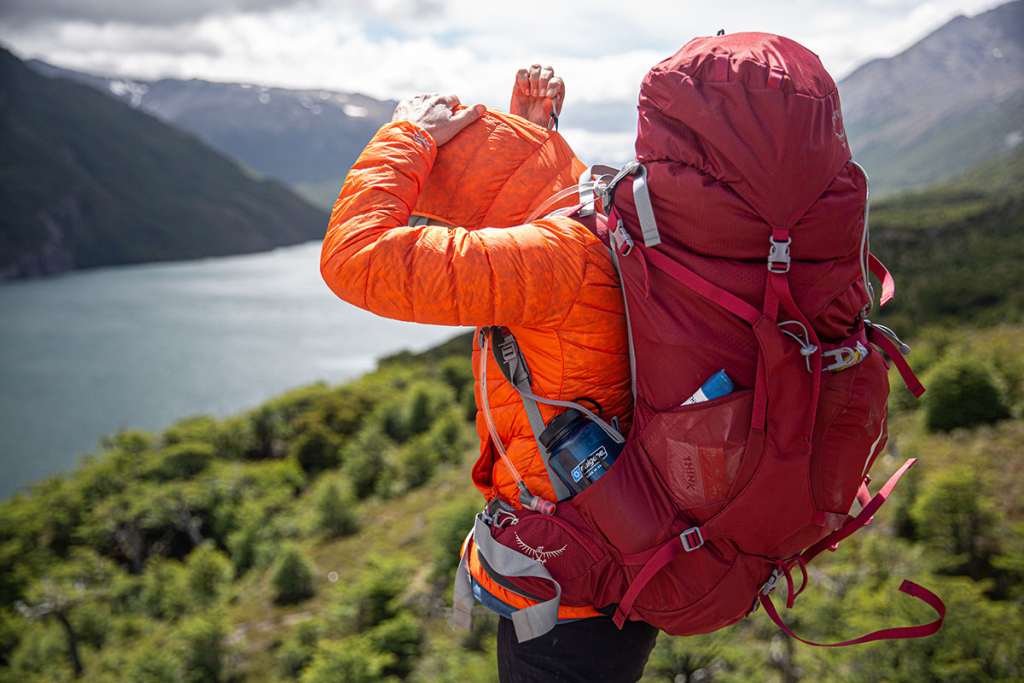
We’ve trusted the Ariel 65 on gear-heavy trips in the Rockies, and its support is unmatched. It’s a powerhouse pack that doesn’t compromise on comfort. Designed specifically for women, it offers exceptional weight distribution and a customizable fit. The “Fit-on-the-Fly” hip belt was a lifesaver on day three of a long trip when my pack was lighter after eating most of my food, allowing me to cinch it down for a perfect fit. The AirScape suspension keeps airflow moving, while the adjustable harness dials in the perfect feel for longer treks. It’s a serious pack for serious adventures.
Gregory Deva 60
For those carrying heavier loads or heading out for a week or more, the Gregory Deva 60 is a dream. I always recommend this pack to friends who complain about sore shoulders. Its plush padding and pivoting Response A3 hip belt create an unmatched feeling of support and mobility. The hip belt moves with your body, which makes a huge difference on uneven terrain. It also features smart compartments like a U-zip front panel for easy gear access and an included rain cover, which is ideal for unpredictable mountain weather. We’ve found that this pack makes 35 pounds feel more like 25.
REI Co-op Traverse 60
Budget-conscious hikers should definitely check out the Traverse 60. REI’s in-house offering punches way above its price tag. It features a well-ventilated back panel, a supportive hip belt, and multiple access points so you don’t have to empty your whole bag to find your rain jacket. I used an earlier model of this pack for years, and it held up beautifully. Plus, REI’s commitment to quality and their great return policy make it a durable, long-term choice you can feel good about. It’s a fantastic value.
Versatile All-Around Backpacks (30–50 Liters)
Sometimes you need a pack that can do it all. These middle-range packs are the chameleons of the gear world, perfect for gear-heavy day hikes, minimalist overnights, or even as a carry-on for international travel. They offer just enough space for a small tent and sleeping bag without the bulk of a full-sized expedition pack.
Osprey Kyte 36
This is one of the most versatile women’s backpacking backpacks on the market. The Kyte 36 fits into that sweet spot. It has enough capacity for an overnight trip, especially if you pack light, but it’s still compact enough for a long day hike where you might need extra layers or equipment. It’s hydration-compatible, has a built-in rain cover, and features Osprey’s signature comfort-focused design. If I could only own one backpack for the rest of my life, there’s a good chance it would be this one.
Deuter Futura 34 SL
Perfect for warm-weather trips, the Futura 34 SL is built for airflow. I mean, it’s really built for airflow. Its Aircomfort Sensic Vario backsystem is a tensioned mesh panel that feels like the pack is floating off your back. This design supports heavier loads while dramatically reducing sweat and chafing. This is a great pick for long hikes in humid climates like the Southeast or for extended ridge walks where you’re exposed to the sun. The support it offers for its size is truly impressive.
Patagonia Altvia Pack 36L
A newer entrant but one that is quickly gaining fans, the Altvia 36L offers a sleek design and is made with recycled materials. This is a big plus for eco-conscious hikers. It’s light but structured, with thoughtful details like breathable regulator shoulder straps, daisy chains for lashing gear, and a top-loading design with a side-zip for quick access. We’ve been really impressed with its performance on rainy day hikes. The weather-resistant finish holds up well against a light drizzle.
Final Thoughts from Cap Puckhaber
Finding the right pack takes time and patience. I have seen how the correct choice transforms a difficult hike into a joy. Whether a person is a day hiker or a week-long trekker, the bag is their partner. Take the time to measure, fit, and test your gear. Your body will thank you after ten miles of uphill climbing. The trail is waiting for you and your new pack.
Frequently Asked Questions
Can a woman use a unisex or men’s backpack?
A woman can certainly use a unisex pack if it fits her torso length and shoulder width. However, many women find that unisex packs are too wide in the shoulders. This causes the straps to slide off or rub the arms. If the hiker has a shorter torso, a women’s specific pack usually provides a much better experience.
How do I know if my backpack is too big for me?
If the pack extends far above the head or hangs below the butt, it is likely too big. A pack that is too large will pull the hiker backward and cause significant strain. I also check for a gap between the shoulder straps and the top of the shoulders. If a large gap exists, the torso length of the pack is too long for the hiker.
Should I get a pack with an internal or external frame?
Most modern hikers should choose an internal frame pack. These designs keep the weight close to the body and provide better balance on rough trails. External frames are rare now and are mostly used for carrying very heavy or awkward loads. Because internal frames are more common, they offer better features and more specialized fits.
Is a rain cover necessary for a backpacking pack?
I always recommend carrying a rain cover even if the pack is water resistant. Most nylon fabrics will eventually soak through during a steady downpour. A wet pack adds several pounds of unnecessary weight to the load. Since rain covers are light and cheap, they are a vital piece of safety gear for any hiker.
How often should I replace my hiking backpack?
A high quality backpack can last ten years or more with proper care. I suggest replacing a pack if the suspension system fails or the foam in the hip belt becomes flat. If the fabric has major tears that affect structural integrity, it is time for a new one. Because gear technology improves, a new pack might also offer better comfort than an old model.
How do I stop my backpack from squeaking while I walk?
Squeaking is often caused by the frame rubbing against the fabric or the load lifters being too tight. I suggest adjusting the tension on the straps to see if the noise stops. Sometimes a small amount of silicone spray on the frame joints can fix the issue. If the squeak persists, check to see if the internal frame is seated correctly in its sleeve.
More Blogs from Cap Puckhaber
Follow Cap Puckhaber on Social Media

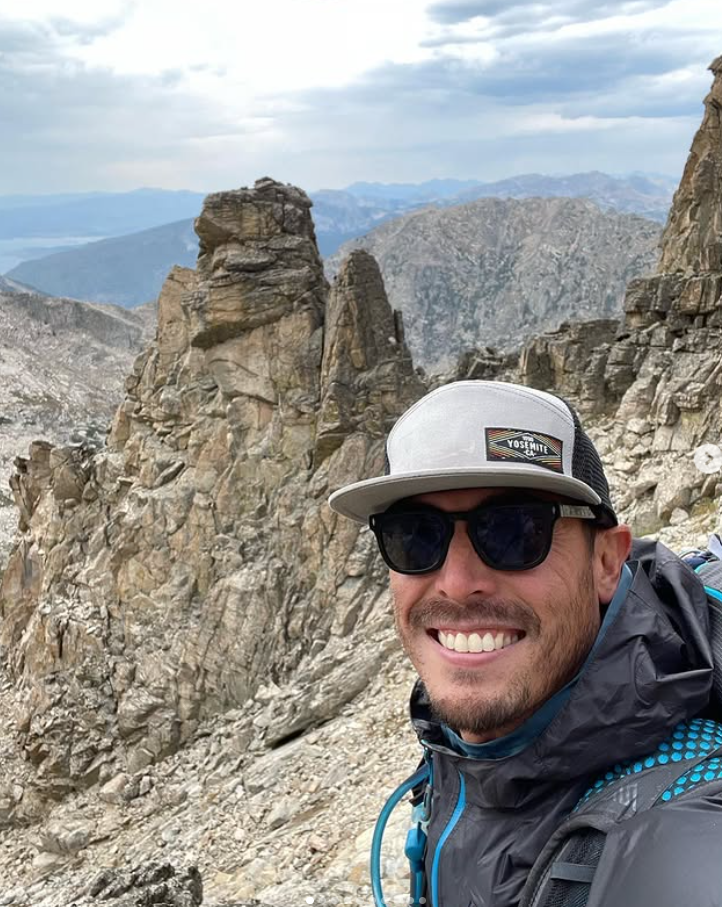
Cap Puckhaber
Backpacker, Marketer, Investor, Blogger, Husband, Dog-Dad, Golfer, Snowboarder
Cap Puckhaber is a marketing strategist, finance writer, and outdoor enthusiast from Reno, Nevada. He writes across CapPuckhaber.com, TheHikingAdventures.com, SimpleFinanceBlog.com, and BlackDiamondMarketingSolutions.com.
Follow him for honest, real-world advice backed by 20+ years of experience.