
Cap Puckhaber Breaks Down National Park Reservations and Fees
By Cap Puckhaber, Reno, Nevada
Updated: 11/21/26
I’ve spent about two decades planning trips to public lands from Reno, and the rules have never changed faster than they have lately. One summer, half the big parks wanted a timed entry ticket. The next, most of those systems disappeared, and a new $100 fee showed up for international visitors. Friends text me constantly asking whether they need a reservation, a permit, a pass or all three. This guide is my answer, built from the official pages and from what I’ve seen at the gates.
Reservations and fees are really one topic. Both decide whether you get in, when you get in and what it costs you. I’ve split this into what still needs a reservation, which hikes need their own permits and what you’ll pay at the gate. Everything here reflects the current season, and parks usually announce next season’s plans each winter.
Most parks dropped timed entry, but not all of them
The big shift came in February, when the Park Service rolled out new plans for its busiest parks. According to the national park timed entry changes announced by the NPS, Arches and Yosemite dropped timed entry for the 2026 season. Glacier dropped its park-wide vehicle reservation too. Rocky Mountain kept its system from late May through mid-October. Instead of reservations, the other parks now lean on parking limits, traffic diversions and extra staff at busy spots.
That doesn’t mean you can show up anytime and drive straight in. Without reservations to spread visitors across the day, gate lines and full lots come back fast. When Yosemite ran a summer without reservations a few years ago, peak-day waits reached nearly three hours. The reservation went away, but the crowds didn’t.
Glacier, Yosemite and Arches without tickets
Glacier still manages its busiest corridors even without a park-wide reservation. Going-to-the-Sun Road gets active traffic management, and Logan Pass parking is time limited. Popular areas like Many Glacier and Two Medicine can close temporarily when they fill up. I’ve always liked Glacier’s shuttle better than driving the Sun Road myself, because parking at Logan Pass is a fight. Check the shuttle rules for the season before you count on it.
Yosemite now uses real-time traffic monitoring and diverts cars when Valley parking fills. On busy Saturdays, that can happen well before noon. Arches no longer requires timed entry at any hour, so early mornings and evenings are wide open. The park is an international dark sky park, and visiting after hours is one of my favorite ways to dodge the midday crowd. For both parks, weekdays and early starts do the job reservations used to do.
Parks that still use some kind of reservation
A shorter list of parks still meters specific roads, sunrise views or attractions. Most of these don’t apply to the whole park. They target one road or one experience where too many people show up at once. Here’s the current picture for the parks I get asked about most.
| Park | What needs a reservation | Season | Extra cost |
|---|---|---|---|
| Rocky Mountain | Timed entry, 9 a.m. to 2 p.m., with a separate option for Bear Lake Road | Late May to mid-October | Small booking fee |
| Acadia | Cadillac Summit Road only | Late May to late October | About $6 per vehicle |
| Haleakala | Summit entry from 3 to 7 a.m. for sunrise | Year-round | $1 per vehicle |
| Carlsbad Caverns | Timed cavern entry ticket | Year-round | $1 per ticket |
| Shenandoah | Old Rag day-use ticket | March through November | Small per-person fee |
| Muir Woods | Parking or shuttle reservation | Year-round | Parking or shuttle fee |
How the remaining systems actually work
Each park runs its system a little differently, and the details decide whether you get a slot. Rocky Mountain is the big one, so I’ll start there. The others are smaller, but they sell out just as fast on busy days.
Rocky Mountain timed entry
From May 22 through October 12 this season, Rocky Mountain required timed entry from 9 in the morning to 2 in the afternoon. There are two versions. The standard reservation covers the whole park except the Bear Lake Road corridor. Its second version adds Bear Lake Road, which runs on a longer window starting at 5 in the morning. Details live on the Rocky Mountain timed entry reservation page.
Reservations release monthly for the following month, with another batch the evening before. Each one gives you a two-hour entry window, but you can stay as long as you like once you’re inside. My trick is simple. Enter before the window starts, and you don’t need a reservation at all. An arrival around 6 in the morning gets me into most of the park with no ticket and almost no traffic.
Acadia, Haleakala and the sunrise rush
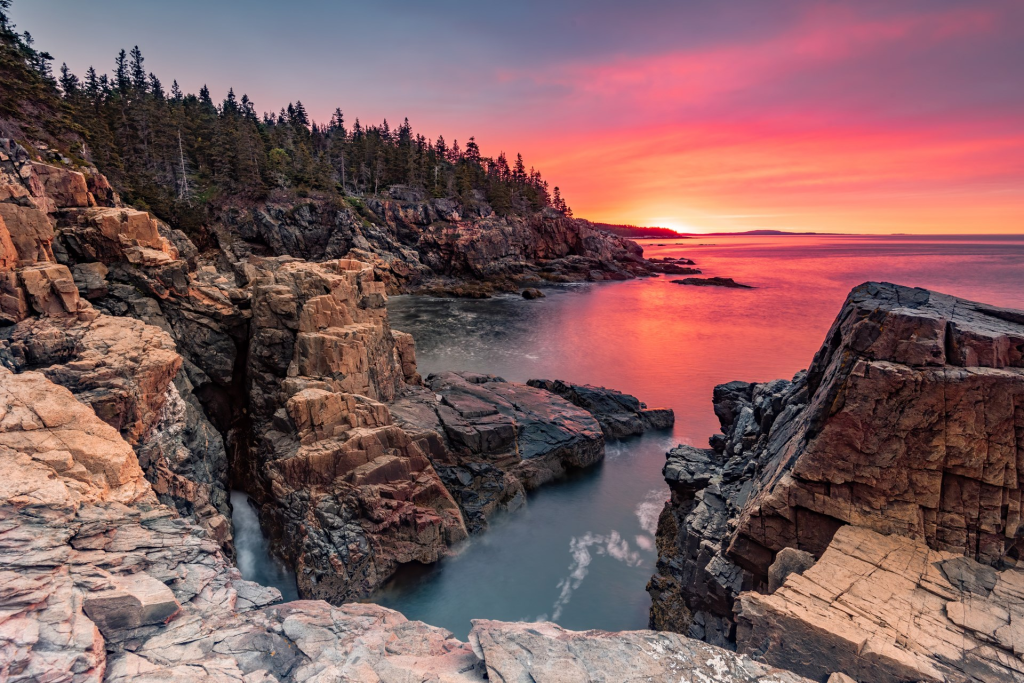
Acadia’s reservation only covers Cadillac Summit Road, the drive to the highest point in the park. Sunrise slots sell out fast, and daytime slots are much easier to land. With a sunrise reservation, you get a 90-minute window to drive up, while daytime slots give you 30 minutes. I prefer the daytime slots, since the view is great and the summit isn’t packed shoulder to shoulder.
Haleakala on Maui requires a reservation for any vehicle entering the summit district between 3 and 7 in the morning. Reservations open 60 days ahead, with a second batch two days out, and they often disappear within minutes. Bring real cold-weather gear. The summit sits above 10,000 feet, and I’ve seen temperatures drop below freezing there even in summer.
Carlsbad, Old Rag and Muir Woods
Carlsbad Caverns sells timed tickets for the cave itself, with a $1 reservation fee on top of the entrance fee. Book a few weeks ahead for summer and holiday weekends. Even with tickets, I’ve seen the natural entrance trail bottleneck on busy summer days.
Shenandoah doesn’t need a reservation for Skyline Drive, but Old Rag does. Every hiker needs a day-use ticket from March through November, bought online ahead of time. Muir Woods, north of San Francisco, requires a parking or shuttle reservation for every arrival, all year. Its lot is tiny, so the reservation is the only real way in on a weekend.
Hikes that need their own permit
Dropping park entry reservations didn’t touch the famous hike permits. These are separate from entry, and you need both an entry pass and the permit. Most use lotteries, so your odds depend on flexibility. Apply for weekdays and multiple time slots whenever the system allows it.
Angels Landing in Zion
Angels Landing requires a permit to hike any part of the trail past Scout Lookout, every day and every hour. Zion runs four seasonal lotteries a year, each covering a three-month block of hike dates. A day-before lottery adds a few more permits for spontaneous trips. Through Angels Landing permits on Recreation.gov, you pay a $6 nonrefundable application fee. If you win, you pay another $3 per person.
Hiking it without a permit can bring a fine of up to $5,000. I hiked Angels Landing once alongside a German couple, and we traded stories about trail mix and blisters all the way up the chains. They had applied for three different time slots, which is exactly how they landed a permit. Spread your choices out, and your odds go up.
Half Dome, the Subway and the Narrows
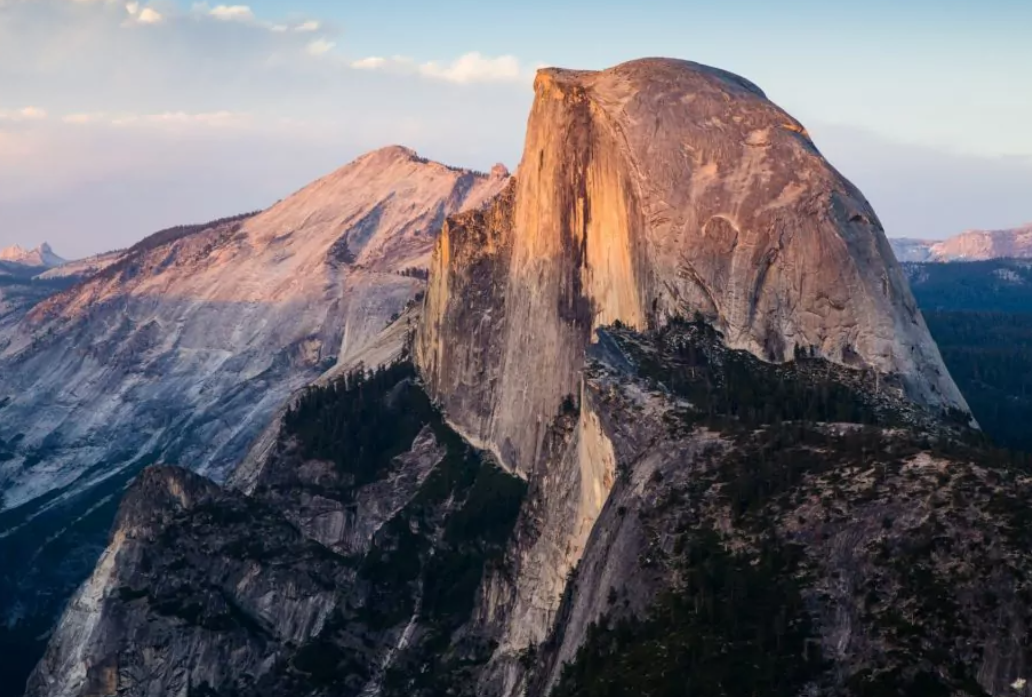
Half Dome in Yosemite uses a preseason lottery every March, plus a daily lottery two days ahead. Each application costs $10, with another $10 per hiker if you win. In Zion, the Subway needs a permit from either direction, and those also come through a lottery. The Narrows only needs a permit for the full top-down route. Hiking up from the Temple of Sinawava as a day trip needs no permit at all.
Campgrounds and backcountry permits
Campground reservations and wilderness permits run on their own calendars, separate from entry and hike permits. Most popular park campgrounds book through Recreation.gov months ahead, and summer weekends sell out within minutes of release. Yosemite, for example, releases campsites five months out. Backcountry permits often split the quota, with most released months ahead and the rest closer to the trip. In many parks, a campground or wilderness reservation also gets you past timed entry. Read the fine print before booking a separate entry slot.
What you’ll pay at the gate
Entrance fees haven’t changed much for US residents. A standard vehicle pass at the big western parks runs $35 and usually covers seven days. Smaller parks charge less, and many charge nothing at all. Most parks no longer take cash, so bring a card or buy a digital pass ahead of time.
The Interagency Annual Pass, called America the Beautiful, still costs $80 for US citizens and residents. It covers entrance fees at national parks and other federal sites for a full year. You’ll need a ZIP code and photo ID to prove residency. A nice detail for riders like me is that each pass now covers up to two motorcycles instead of one.
What a single entrance fee covers
Most entrance fees come in three flavors. A vehicle pass covers everyone in one private car. Per-person fees apply if you walk or bike in, and motorcycles have their own rate. At Yosemite, for example, walk-ins pay $20 per person while a car pays $35. In nearly every case, the pass stays valid for seven straight days, so you can leave and come back without paying again.
The $100 nonresident fee
Starting January 1, 2026, nonresidents 16 and older pay a $100 per person surcharge at 11 of the busiest parks. That’s on top of the standard entrance fee. The list covers Acadia, Bryce Canyon, Everglades, Glacier, Grand Canyon, Grand Teton, Rocky Mountain, Sequoia and Kings Canyon, Yellowstone, Yosemite and Zion. A nonresident annual pass now costs $250 and skips the surcharge at all 11 parks.
Run the numbers before you pick. A family of four from overseas visiting the Grand Canyon for one day pays $400 in surcharges plus the $35 vehicle fee. Two adults hitting three of those parks would pay $600 in surcharges alone. In both cases, the $250 annual pass is the cheaper choice.
Fee-free days are now resident only
The Park Service still offers fee-free entrance days, but this year they apply only to US residents. This year’s list includes Presidents Day, Memorial Day, Flag Day and Independence Day weekend. It also covers the Park Service birthday in late August, Constitution Day, Theodore Roosevelt’s birthday and Veterans Day. International visitors pay full price on those days. Fee-free days also don’t cover reservation fees, like Haleakala’s sunrise ticket.
When the annual pass pays for itself
My background is in marketing and personal finance, so I look at the pass like a gym membership. The question is simple. How many visits does it take to break even? At $80, the resident pass pays for itself after about three $35 park visits in a year. Add a national forest day-use area or two, and it gets even better.
For international visitors, the math changes. The $250 pass breaks even after about two visits to the surcharge parks for one adult. For couples or families, it pays off even faster, since each adult would owe $100 per park without it. If you’re planning more than one of the big 11, buy the pass before you arrive.
The pass mistake I made on the Grand Circle
On my first Grand Circle road trip through Utah and Arizona, I paid at every gate as I went. Zion, Bryce Canyon and the Grand Canyon each took $35 from me before I did the math. That’s $105 in a single week, compared to $80 for a pass that would have covered the rest of the year too. I bought the annual pass at the next gate and have renewed it every year since. Don’t pay as you go if your trip includes three or more fee parks.
Planning a multi-park road trip around the rules
Road trips through several parks need a little more planning now. I build my route around the hardest booking first. If Angels Landing or a Rocky Mountain slot is on the list, those dates anchor the trip, and everything else fits around them. Parks with no reservations go on the flexible days, where weather or a long drive can shift the plan.
Next, I map the fee parks and decide on the pass. A typical Grand Circle loop hits Zion, Bryce Canyon, Capitol Reef, Arches, Canyonlands and the Grand Canyon. For a US resident, that’s easily $150 or more in single-park fees, so the $80 pass is a no-brainer. Nonresidents face $100 per adult at three of those parks, which makes the $250 pass worth it for nearly any group. Capitol Reef, Arches and Canyonlands skip the surcharge, which makes them great choices for overseas friends.
Last, I check every park’s NPS page about two weeks before leaving. Closures, construction and new pilots pop up all season. A quick check has saved me from showing up at a closed road more than once.
What I tell friends visiting from overseas
Friends from abroad ask me about the new fees more than anything else. My first answer is to buy the $250 nonresident pass if you’ll visit two or more of the surcharge parks. Have your passport handy at the gate, since rangers may ask for proof of residency when you use a pass. Every adult in the car who’s 16 or older counts toward the surcharge, so count heads before you decide.
My second answer is to mix in parks without the surcharge. Utah alone has Arches, Canyonlands and Capitol Reef, none of which charge it. Great Sand Dunes and North Cascades are other strong picks. Those parks also tend to be less crowded, which makes the trip better anyway.
One more thing matters a lot. Please don’t argue with the ranger at the gate about fees. They don’t set the policy, and the line behind you is long. Pay, smile and save the opinions for a comment card or a letter to your representative.
My advice for getting in without stress
Whether a park uses reservations or not, timing still decides your day. I aim to be at the gate before 8 in the morning, and earlier at the busiest parks. Weekdays beat weekends almost everywhere, and Tuesday and Wednesday are usually the quietest. Early starts also bring better light and cooler temperatures on the trail.
Set up your Recreation.gov account before release day, with your payment card saved. Popular slots disappear within minutes, and typing a card number at the last second costs you. Check the release time for your park, set an alarm and be logged in a few minutes early. For lotteries, apply for several dates and time slots instead of one perfect day.
Don’t ignore the last-minute releases
Missing the first release doesn’t end your chances. Rocky Mountain puts out a batch of timed entry reservations the evening before each day. Haleakala releases a second round of sunrise slots two days ahead. Angels Landing runs a day-before lottery, and Half Dome has a daily lottery two days out. Cancellations also pop back into the system all season. I’ve landed more last-minute permits than early ones by checking the evening before.
Print everything before you lose signal
Cell service vanishes near most park entrances. I’ve watched rangers turn people around because their digital ticket was stuck in an email they couldn’t load. Screenshot your reservation, download it to your phone and carry a printed copy too. That same habit applies to permits for Angels Landing, Half Dome and Old Rag. Rangers check them on the trail, and “I had it on my phone” won’t get you past the checkpoint.
Places I go when the big parks are packed
Some of my favorite trips happen right next door to the famous parks. State parks, national forests and BLM land usually have no reservations and smaller crowds. In Utah, Dead Horse Point State Park sits right by Canyonlands and Arches, and Snow Canyon State Park offers red rock close to Zion. Capitol Reef gives me the same canyon country as Zion with a fraction of the people.
Plenty of national parks also skip the $100 surcharge entirely. North Cascades, Canyonlands, Great Sand Dunes and Capitol Reef are all great choices for international visitors watching costs. Instead of Yellowstone, Custer State Park in South Dakota offers bison herds and scenic drives. National forests like Pisgah in North Carolina give you big hiking without the gate fees of the Smokies area parks.
Closer to home, Great Basin National Park in eastern Nevada is one of my favorite quiet parks. It charges no entrance fee and needs no reservation to drive in. Wheeler Peak tops out above 13,000 feet, and the bristlecone pine grove below it holds some of the oldest trees on Earth. On a summer weekend, I’ve seen fewer people there all day than in one Yosemite parking lot.
Why parks use reservations at all
I’ve watched popular meadows turn to dust and trail edges widen year after year from overuse. Reservation systems started as a way to protect places like that while keeping roads and parking safe. They also lock out spontaneous visitors and anyone who can’t plan months ahead. Parks keep testing different tools to balance those two problems, which is why the rules change so often.
The small reservation fees, usually between $1 and $6, help pay for the booking systems and the rangers who check permits. Entrance fees go further, funding trail work, restrooms and visitor services. Whatever you think of the policies, the money you pay at the gate mostly stays in the parks.
Frequently Asked Questions
Do I need a reservation to enter a national park?
Most national parks don’t require a reservation for general entry. Rocky Mountain still uses timed entry during peak season, while a few parks require reservations for specific roads, sunrise views or hikes. Check each park’s NPS page before you go, since the rules can change every season.
Do I still need an entrance pass if I have a reservation?
Yes, a reservation doesn’t replace the entrance fee. You still need to pay at the gate or show a valid pass like America the Beautiful. The reservation only covers your time slot or permit.
Which national parks charge the $100 nonresident fee?
This surcharge applies at Acadia, Bryce Canyon, Everglades, Glacier, Grand Canyon, Grand Teton, Rocky Mountain, Sequoia and Kings Canyon, Yellowstone, Yosemite and Zion. Nonresidents 16 and older pay it per person, per park. The $250 nonresident annual pass covers it.
Can I give my reservation or permit to a friend?
Generally, the answer is no. Most reservations and permits are tied to the person who booked them, and rangers may check ID. If plans change, cancel through Recreation.gov so someone else can use the slot.
What happens if I show up without a required reservation?
You’ll be turned away from that road, area or trail during the hours the system is in effect. Many parks let you enter before or after the reservation window without a ticket. Arriving early is often the easiest way around the system.
Is the America the Beautiful pass worth it?
For US residents, the $80 pass pays off after about three park visits in a year. Nonresidents break even on the $250 pass after about two visits to the surcharge parks per adult. The pass also covers other federal sites, which adds to the value.
Frequently Asked Questions
When do the new National Park fees for foreigners start?
The new fee structure goes into effect on January 1, 2026. If you plan a trip for late 2025, you are safe under the old rules. But as soon as the calendar flips, the new $100 surcharge and $250 annual pass price will apply.
Which National Parks are charging the extra $100 fee?
The surcharge applies to 11 specific parks: Acadia, Bryce Canyon, Everglades, Glacier, Grand Canyon, Grand Teton, Rocky Mountain, Sequoia & Kings Canyon, Yellowstone, Yosemite, and Zion. All other national parks will charge the standard entry fee, though international visitors will still need to pay the higher price for an annual pass if they choose to buy one.
Can I still buy the $80 annual pass if I am not a U.S. resident?
No. Starting in 2026, the $80 “America the Beautiful” pass is reserved for U.S. residents only. You will be required to provide a ZIP code and photo ID to verify residency. Non-residents must purchase the international version of the pass, which costs $250.
Does the new pass cover motorcycle entry?
Yes. In a positive change, all annual passes will now cover entry for two motorcycles. Previously, a pass only covered one motorcycle. This is great news for couples or friends touring the country on two wheels and applies to both resident and non-resident passes.
Are there any fee-free days for international visitors?
It appears not. The new “patriotic fee-free days,” such as Flag Day and Veterans Day, are explicitly designated for U.S. residents. International visitors should expect to pay full admission on these days.
What happens if I am a U.S. citizen living abroad?
The policy relies on “U.S. residency” verification, usually via a ZIP code and ID. However, as a U.S. citizen, you are a taxpayer. You should carry your U.S. passport to entrance stations. While the strict letter of the rule says “resident,” citizenship usually trumps residency for these types of federal benefits. It is best to contact the park directly before your trip to clarify what ID they will accept.
Will these fees help the parks?
The administration claims the fees will help with maintenance and improvements. However, critics point out that the extra revenue may be offset by proposed budget cuts to the National Park Service. It remains to be seen if the money collected will stay in the parks or if it will simply fill gaps left by reduced federal funding.
Is the “America the Beautiful” pass still worth it at $250?
If you are visiting three or more of the “Big 11” parks, yes. The daily entrance fees plus the $100 surcharge per person at each park would cost far more than $250. If you are only visiting one park for one day, it might be cheaper to pay the single entry fee, but do the math carefully based on your group size.
About the author: Cap Puckhaber is a marketing strategist, finance writer, and outdoor enthusiast. He writes across CapPuckhaber.com, TheHikingAdventures.com, SimpleFinanceBlog.com, and BlackDiamondMarketingSolutions.com. Follow him for honest, real-world advice backed by 20+ years of experience.
Hiking Guide to Endurance and Smart Pacing
Are Exoskeletons a Game-Changer for Hiking
A Hiker’s Guide To Trekking Poles
What you need for backcountry skiing
How to build a comfortable campsite
Follow Cap Puckhaber on Social Media
- Connect with Cap Puckhaber on Facebook
- See Cap Puckhaber’s latest adventures on Instagram
- Read Cap Puckhaber’s thoughts on X
- Join the conversation on Threads
- Follow Cap Puckhaber on Mastodon
- Browse my Pins on Pinterest
- See my Hiking Articles on Medium
- Follow Cap Puckhaber’s Company Page on LinkedIn
- More Hiking and Snowboarding on BSKY

About the Author: Cap Puckhaber
Backpacker, Marketer, Investor, Blogger, Husband, Dog-Dad, Golfer, Snowboarder
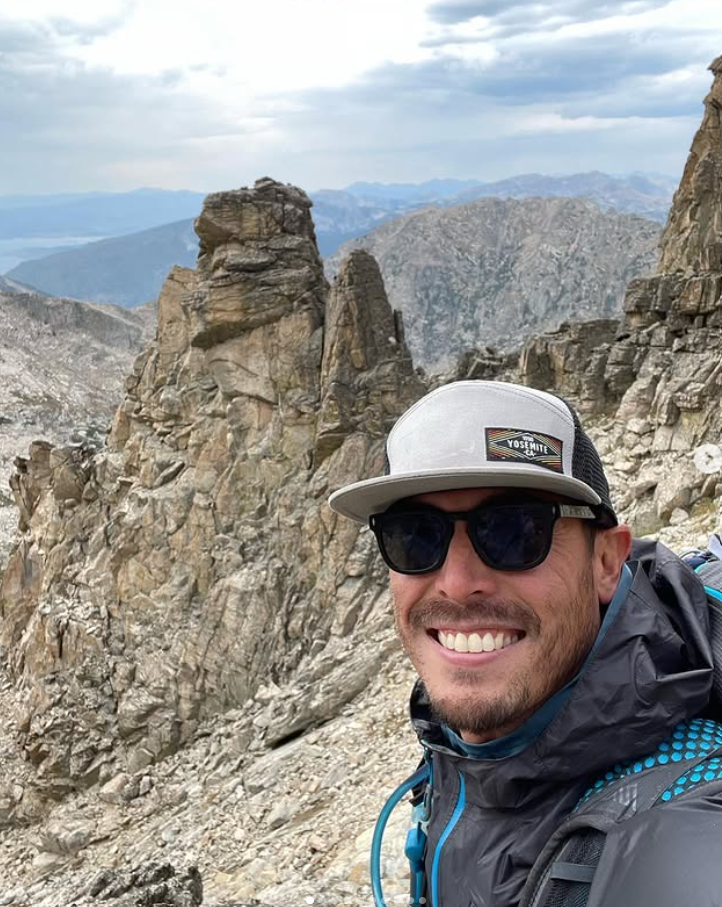
Cap Puckhaber is a marketing strategist, finance writer, and outdoor enthusiast from Reno, Nevada. He writes across CapPuckhaber.com, TheHikingAdventures.com, SimpleFinanceBlog.com, and BlackDiamondMarketingSolutions.com.
Follow him for honest, real-world advice backed by 20+ years of experience.