
Your Guide to National Park Reservations: Which Parks Require Timed Entry & Permits
By Cap Puckhaber, Reno, Nevada
I have spent the last two decades tracking the ebb and flow of our public lands from my home base in Reno. My background in marketing and finance has taught me that access is a commodity that must be managed with precision. We are currently witnessing a massive shift in how the Department of the Interior handles the millions of explorers who flock to our national treasures. Some parks have recently stepped back from strict reservation systems while others have reinforced their digital walls to protect fragile ecosystems. This guide provides the essential roadmap you need to navigate these changing rules without getting stuck at a closed gate.
The Evolution of Park Access
The traditional “show up and hike” model has faced significant challenges as visitation numbers reached record highs across the country. I have watched as popular spots transformed from quiet retreats into congested corridors that resemble a city morning commute. To combat this, the National Park Service started implementing a variety of entry management strategies. These programs aim to reduce environmental degradation and ensure that every visitor actually has space to breathe. You must understand that these rules are often experimental and can change between the spring and autumn seasons.
We are seeing a clear divide in management philosophies across the different regions of the park system. Some superintendents are moving back toward traditional parking management to allow for more spontaneous travel. Meanwhile, others have found that timed entry is the only way to prevent a total collapse of the local infrastructure. This inconsistency means that your planning process must be more thorough than it was in previous years. I always recommend starting your research months before your planned departure to avoid any sudden surprises at the trailhead.
The Push for Sustainable Tourism
The primary reason behind these reservation systems is the urgent need for sustainable tourism practices. Overcrowding often leads to people trampling native plants or creating unauthorized “social” trails that cause massive erosion. I have seen once-pristine meadows turned into dust bowls because too many boots hit the ground at the same time. By spreading out the number of visitors, the park service can protect the very things we all come to see. This also improves the quality of your visit by reducing the noise and the long lines for restrooms.
Ultimately, these measures are part of a broader effort to ensure that these lands remain accessible for the next generation. We are essentially stakeholders in a massive natural trust that requires active management to stay solvent. When a park limits entry, they are protecting the long-term “investment” we have all made in our public lands. I find that I enjoy a park much more when I know I have a guaranteed spot and plenty of personal space. It is a small trade-off in freedom for a massive gain in the quality of the wilderness experience.
Tracking the Latest Changes
The landscape of park entry is currently in a state of flux with several major parks dropping their reservation requirements. Iconic destinations like Yosemite and Arches have recently moved away from the timed entry models they tested in the past. This is great news for the last-minute traveler, but it also means you must be more tactical about your arrival times. I suggest reaching the entrance gate before 8 a.m. to avoid being turned away when the interior parking lots reach capacity. If you wait until noon, you might find yourself sitting in a idling line of cars for several hours.
Other parks like Glacier and Mount Rainier are also testing new ways to handle the summer rush without a total reservation system. Glacier has introduced a pilot program for its shuttle services to help move people along the busy Going-to-the-Sun Road. In Washington, Mount Rainier is returning to a first-come, first-served approach for its most popular alpine corridors. These changes reflect a desire to keep the parks open and accessible to as many people as possible. However, the burden of timing and logistics has now shifted back to the individual visitor.
Acadia and the Cadillac Summit
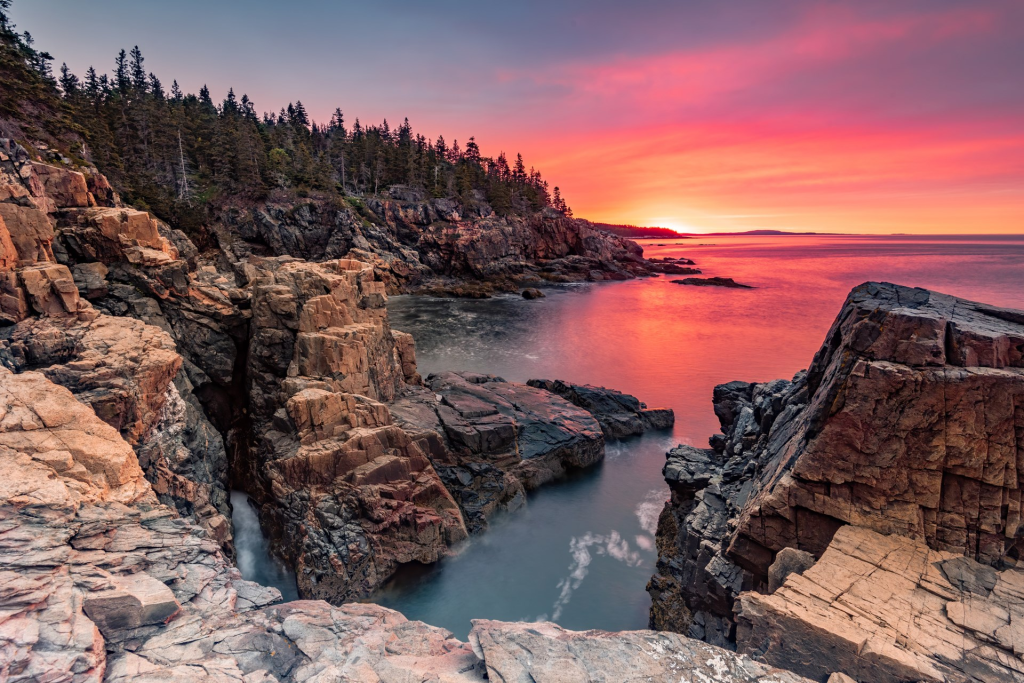
Acadia National Park on the rugged coast of Maine continues to require a vehicle reservation for the Cadillac Summit Road. This granite peak is the highest point on the Atlantic coast and is a legendary spot to watch the sunrise. Because the parking area at the summit is so small, the park must strictly limit the number of cars that drive up. You can choose between a sunrise ticket or a daytime slot depending on your specific hiking schedule. I recommend trying for the daytime slots if you want a slightly better chance of scoring a reservation.
The reservation period typically runs from the middle of May through the end of October each year. You must purchase your ticket through the official portal at Recreation.gov before you arrive at the mountain base. Keep in mind that about 30% of the tickets are released months in advance while the rest are held for a last-minute release. I have found that being logged into my account at exactly 10 a.m. Eastern Time is the only way to snag a spot. This road offers some of the most dramatic views in the North Atlantic and is worth the digital scramble.
Carlsbad Caverns Timed Entry
If you are heading underground in New Mexico, you must have a timed entry reservation for Carlsbad Caverns. These permits are required all year long because the elevator and trail systems have a fixed human capacity. The park service uses these slots to prevent dangerous overcrowding in the deep limestone chambers. I have seen the natural entrance become a bottleneck during the peak summer months without these controls. You should book your spot at least 30 days in advance to ensure you get the time slot you want.
The cost for the reservation is only one dollar, which is a small addition to your standard park entrance fee. I recommend making your booking the moment they become available because they often sell out in a matter of hours. This is especially true during holiday weekends when families flock to see the massive stalactites and the bat flights. If you show up without a reservation, you will likely be turned away at the visitor center. This park is a fantasy land of rock formations that requires a little bit of foresight to enjoy properly.
Glacier National Park Shuttle Pilot
Glacier has moved away from vehicle reservations for the main road but is now piloting a shuttle reservation system. This is a new approach to help reduce the number of private cars that clog the narrow mountain passes. Starting in July, parking at the famous Logan Pass will be limited to a three-hour window per vehicle. This rule ensures that more people have a chance to see the views and access the high-country trails. If you plan on doing a long hike like the Highline Trail, the shuttle is your best bet for a stress-free day.
The express hiker shuttles leave from both the east and west sides of the park throughout the morning. You must purchase your tickets online in advance as they are not available for sale on the actual bus. A portion of these tickets is released 60 days in advance with the remainder becoming available the evening before. I find that the shuttle is a much better way to experience the “Crown of the Continent” without worrying about parking. It allows you to focus on the glaciers and the aquamarine lakes instead of the bumper of the car in front of you.
Haleakala Sunrise Reservations
Watching the sun rise from the summit of the Haleakala volcano is the top experience on the island of Maui. Because this event is so popular, the park requires a vehicle reservation to enter between 3 a.m. and 7 a.m. If you do not have a ticket, you cannot enter the park until the sun is already high in the sky. It takes about 30 minutes to drive from the park entrance to the actual summit viewpoints. I have found that the temperature at the top can be below freezing even in the middle of a tropical summer.
Reservations for the sunrise can be made up to 60 days in advance on the official government website. These tickets are free besides a one dollar processing fee and they usually disappear within fifteen minutes of release. A second batch of “last-minute” tickets is released 48 hours before each date for those with flexible plans. If you cannot get a reservation, I highly recommend visiting for sunset instead. The views are just as spectacular and you do not need any kind of advance permit to be there.
Rocky Mountain Timed Entry
Rocky Mountain National Park in Colorado is maintaining one of the most comprehensive reservation systems in the country. You will need a permit to visit the park from late May through the middle of October. There are two different types of permits depending on which areas you want to explore during your trip. The “Timed Entry + Bear Lake Road” permit gives you access to the entire park including the most popular alpine lakes. The standard “Timed Entry” permit covers everything except for the Bear Lake Road corridor.
These permits are released in large batches on the first day of each month for the following month. I recommend being at your computer at exactly 8 a.m. Mountain Time to fight for your preferred dates. An additional batch of permits is released the evening before for those who are planning on the fly. This system is in effect from 5 a.m. to 6 p.m. for the Bear Lake area and 9 a.m. to 2 p.m. for the rest of the park. If you arrive outside of these hours, you can enter without a reservation as long as there is space.
Shenandoah Old Rag Permits
Shenandoah National Park in Virginia requires a specific day-use ticket for anyone hiking the Old Rag Mountain trail. This is the most popular hike in the park and features a strenuous rock scramble with incredible views. The permit system is in place from March through November to prevent the trail from becoming a dangerous human logjam. Only 800 hikers are allowed on the mountain each day to protect the rare plant communities at the summit. Tickets are only two dollars and must be purchased in advance through the online portal.
You cannot buy these tickets at the trailhead, so you must plan ahead before you leave your house. Half of the tickets are released 30 days in advance while the other half are released five days before the date. Every person in your group must have their own ticket regardless of their age. The rest of the park and the scenic Skyline Drive remain accessible without any kind of hiking permit. I find that this system makes the Old Rag experience much more enjoyable by limiting the number of people on the rocks.
The Half Dome Lottery in Yosemite
While Yosemite has dropped its general entry reservations, you still need a permit to climb the Half Dome cables. This iconic hike is a bucket-list item for many people, but it is also one of the most regulated trails in the world. Permits are awarded through a seasonal lottery that takes place during the month of March. If you are one of the lucky winners, you will be notified in April and can finalize your plans. This system limits the number of hikers to 300 per day to ensure safety on the steep granite slope.
If you miss the seasonal lottery, you can still apply for a daily lottery two days before your planned hike. I have found that this “last-minute” option is a great way to snag a permit if someone else cancels their trip. You will need to pay a small application fee and an additional fee per person if you win. The cables are usually up from late May through early October depending on the snow levels. Climbing Half Dome is a massive physical challenge that requires a full day and a lot of determination.
Zion Angels Landing Permits
Zion National Park in Utah uses a similar lottery system for the world-famous Angels Landing trail. This hike is known for its narrow ridges and steep drops that require hikers to hold onto metal chains. Because the trail is so narrow, the park service must limit the number of people to prevent dangerous crowding. You need a permit to hike past the Scout Lookout area toward the actual summit. This system is active all year long and is strictly enforced by rangers on the trail.
You can apply for a permit during the seasonal lottery windows which occur four times a year. Like Half Dome, there is also a day-before lottery for those who are already in the park. It costs six dollars to apply and an additional three dollars per person if you are selected. I recommend entering the lottery for multiple time slots to increase your chances of success. This trail offers one of the most thrilling views in the entire park system and is worth the effort to secure a spot.
The Subway and Narrows Permits
Zion also requires wilderness permits for two other iconic adventures: The Subway and the top-down Narrows hike. The Subway is a stunning canyon that requires a permit whether you hike it from the bottom or the top. These permits are awarded via a lottery two months in advance due to the high demand. For the Narrows, you only need a permit if you are doing the full 16-mile top-down route. Most people do the bottom-up version from the Temple of Sinawava which does not require any permit at all.
If you are planning the top-down Narrows trip, you can book your permit as a day hike or a two-day backpacking trip. These become available two months in advance and often sell out the moment they go live. I find that the bottom-up version is a great alternative if you cannot get a permit for the full canyon. You still get to see the spectacular “Wall Street” section where the cliffs are only twenty feet apart. Always check the weather forecast for flash floods before entering any narrow canyon in the Utah desert.
Muir Woods Parking Reservations
Muir Woods National Monument just north of San Francisco requires a parking reservation for every visitor. This small park protects some of the last old-growth coastal redwoods in the world. Because the parking lot is so small, the park implemented a reservation system to prevent traffic from backing up onto the local roads. You must reserve a 30-minute arrival window and you can stay as long as you like once you park. These reservations are required every day of the year and often sell out weeks in advance.
I recommend making your reservation as soon as you know your travel dates to avoid disappointment. You can book your spot up to three months in advance through the official Muir Woods website. There is also a shuttle service available from nearby transit hubs if the parking lot is full. Walking among these ancient giants is a powerful experience that requires a bit of logistical planning. It is one of the most accessible places to see redwoods but it is also one of the most popular.
My Advice for Trip Success
The key to a successful national park trip in this new era is to embrace the role of the early bird. I always try to be at the park entrance before the sun comes up to beat the rush and secure a spot. This strategy has allowed me to see the parks at their most peaceful and beautiful. You will find that the wildlife is more active and the lighting is perfect for photography during the early hours. By the time the crowds arrive at noon, you can be heading back to your hotel for a well-earned rest.
I also suggest keeping a physical folder with all your printed reservations and permits for the entire journey. You cannot rely on having a cell signal at the ranger station to pull up a digital ticket on your phone. Having everything organized in one place reduces your stress and makes the entry process much faster. I have seen many people get turned away because they could not access their email in a dead zone. A little bit of old-school preparation goes a long way when you are heading into the wild.
Using Digital Navigation Tools
While I always carry a paper map, I also use digital tools like Recreation.gov to manage my bookings. This site is the official portal for the National Park Service and several other federal agencies. You should create a free account and save your payment details to make the checkout process faster. The mobile app is also a great resource for checking for last-minute cancellations while you are on the road. I use it to track my permits and to find information on nearby campgrounds and visitor centers.
You should also check the official park websites for real-time alerts on road closures and weather conditions. Many parks now have “current conditions” pages that are updated multiple times a day by the rangers. This information is vital for planning your daily activities and staying safe in unpredictable mountain weather. I have found that a quick check of the park website can save me from driving an hour to a closed trailhead. Knowledge is power when you are navigating the complexities of our national park system.
The Cost of Preservation
Most reservation fees are very small, usually between one and six dollars per vehicle or person. These fees go toward the cost of running the digital systems and managing the flow of visitors. I look at these costs as a small investment in the long-term health of our public lands. The revenue helps pay for trail maintenance, restroom cleaning, and the rangers who keep us safe. You can find more information on how the National Park Service uses its funding through the reports at Bloomberg.
When you pay for a permit, you are directly supporting the preservation of the landscape you love. It is a way for the outdoor community to contribute to the sustainability of these fragile environments. I am happy to pay a few extra dollars if it means the trails are not overcrowded and the wildlife is protected. We are all partners in the mission to keep these parks wild and beautiful for years to come. Every dollar helps ensure that the “Crown Jewels” of our nation remain intact.
Why Some Parks Dropped Reservations
The decision by parks like Yosemite and Arches to drop their reservation systems was based on extensive visitor feedback. Many people found the digital systems too complicated or felt they limited the spontaneity of travel. The park service is now testing whether they can achieve the same results with better signage and real-time traffic management. This is a big win for the local businesses that rely on a steady flow of tourists throughout the season. You can read more about the business impact of these decisions at Forbes.
This move back to open access puts the responsibility of timing back on the individual visitor. You must be willing to adjust your schedule to avoid the busiest times of the day and week. I have found that visiting these popular parks on a Tuesday or Wednesday is much better than a Saturday. If you can avoid the major holidays, you will have a much more relaxed and enjoyable experience. The parks belong to everyone, but we must all work together to manage the crowds responsibly.
Exploring Alternative Destinations
If you find that your favorite national park is completely booked, do not give up on your adventure. There are often incredible state parks, national forests, and BLM lands right next door to the major attractions. In Utah, the state parks like Dead Horse Point and Snow Canyon offer scenery that is just as spectacular as the national parks. These alternative sites often have fewer crowds and more flexible rules for hiking and camping. I have discovered some of my favorite hidden gems by simply looking a few miles outside the park boundary.
These lesser-known areas provide a great way to experience the wilderness without the need for a digital ticket. You can find excellent trail guides and reviews for these alternative spots at Business Insider. Expanding your travel plans can lead to a much deeper understanding of the local geography and history. You might find a quiet canyon or a lonely peak that you never would have seen otherwise. Flexibility is a valuable trait for any modern explorer.
Final Tips for Your Trip
My final piece of advice is to stay patient and stay flexible as you navigate these new rules. The National Park Service is doing its best to balance the needs of millions of people with the needs of the land. If you encounter a long line or a closed trail, take it in stride and look for a different opportunity. The beauty of the outdoors is that there is always something new to discover if you are willing to look. I believe that these challenges make us more intentional and appreciative of the time we spend in nature.
I am Cap Puckhaber, and I hope this guide helps you have a safe and memorable journey through our national parks. Remember to follow the Leave No Trace principles and respect the rules of the land. We are all guests in these wild spaces, and our actions matter. I will see you out on the trail, hopefully with a valid permit in hand and a sense of wonder in your heart. Stay safe and stay curious as you explore the incredible landscapes of our nation.
Frequently Asked Questions
What happens if I show up to a reservation-only park without a permit?
You will unfortunately be turned away at the entrance gate if you do not have a valid reservation. Most parks have very strict policies and do not allow visitors to buy tickets on-site if they are already sold out. You might be told to come back later in the evening after the reservation hours have ended. This can be a huge disappointment if you have traveled a long distance, so always check the rules before you leave.
Can I give my reservation to a friend if I cannot use it?
Most national park reservations are non-transferable and require a photo ID that matches the name on the ticket. This is done to prevent people from buying up all the spots and reselling them for a profit online. If you cannot use your reservation, you should cancel it through the Recreation.gov website as soon as possible. This allows the spot to be released back into the system so that another hiker can use it.
Do I still need a park entrance pass if I have a reservation?
A timed entry reservation or vehicle permit is separate from the actual park entrance fee. You must still pay the standard entrance fee or show a valid America the Beautiful pass when you arrive. I have seen many people get confused and think the reservation fee covers the entire cost of the visit. Think of the reservation as a ticket to get into the theater and the entrance fee as the price of the movie.
How do I know if a park is starting a new reservation pilot program?
The best way to stay informed is to follow the official news releases from the National Park Service and the Department of the Interior. They usually announce new pilot programs several months before the start of the summer season. You can also sign up for email alerts from your favorite parks to get the latest updates delivered to your inbox. I also follow local outdoor news sites that track these changes on a daily basis.
Is there a limit to how many reservations I can make in a year?
There is generally no limit to how many reservations you can make across the entire national park system. However, some specific lotteries for hikes like Half Dome or Angels Landing might limit you to one application per season. You should always read the fine print for each specific park to see if there are any restrictions on multiple bookings. I recommend only booking the dates you are certain you will use to be fair to other travelers.
Q: Do I need a reservation to just enter any national park?
This is a common misconception; therefore, the answer is generally no. Most parks do not require a blanket reservation just for entry. Instead, the systems target specific, high-traffic areas, like the Angels Landing trail in Zion or the Going-to-the-Sun Road in Glacier. You must always check the official NPS.gov website for the specific park you plan to visit, as rules often change seasonally and annually.
Q: Where do I actually go to get these reservations?
The vast majority of these national park reservations are managed through the official Recreation.gov website. This single platform handles timed entry, permits, and even some campground bookings for the NPS. Consequently, it is highly recommended to create an account on Recreation.gov well in advance of the day reservations become available.
Q: What happens if I show up without a reservation?
Arriving without a required reservation will unfortunately result in being denied access to that specific area or road. For parks with park-wide timed entry, you may be turned away at the main entrance and asked to return during a non-reservation time, if one exists. Ultimately, attempting to visit a reservation-only area without a permit is a significant risk and will likely disrupt your plans.
Q: Are these reservation systems permanent?
These systems are not necessarily permanent and are often managed as pilot programs. The National Park Service actively reviews visitation data and system effectiveness each year. For example, some parks like Yosemite have used park-wide reservation systems in the past but do not currently require them for general entry, showing how these rules can change. As a result, reservation requirements, dates, and locations can change, making it essential to check for the most current information before your trip.
About the author
Cap Puckhaber is a marketing strategist, finance writer, and outdoor enthusiast. He writes across CapPuckhaber.com, TheHikingAdventures.com, SimpleFinanceBlog.com, and BlackDiamondMarketingSolutions.com. Follow him for honest, real-world advice backed by 20+ years of experience.
My Picks for Zion National Park Hikes
Grand Canyon Guide to Closures and Trails
Hiking and Backpacking Yellowstone
Check out news on new national park fees


Follow Cap Puckhaber on Social Media
- Connect with Cap Puckhaber on Facebook
- See Cap Puckhaber’s latest adventures on Instagram
- Read Cap Puckhaber’s thoughts on X
- Join the conversation on Threads
- Follow Cap Puckhaber on Mastodon
- Browse my Pins on Pinterest
- See my Hiking Articles on Medium
- Follow Cap Puckhaber’s Company Page on LinkedIn
- More Hiking and Snowboarding on BSKY


About the Author: Cap Puckhaber
Backpacker, Marketer, Investor, Blogger, Husband, Dog-Dad, Golfer, Snowboarder
Cap Puckhaber is a marketing strategist, finance writer, and outdoor enthusiast from Reno, Nevada. He writes across CapPuckhaber.com, TheHikingAdventures.com, SimpleFinanceBlog.com, and BlackDiamondMarketingSolutions.com.
Follow him for honest, real-world advice backed by 20+ years of experience.