
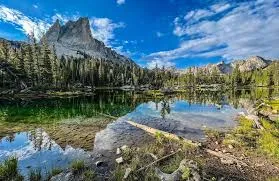
My Tips for Hiking the Sawtooth Wilderness
By Cap Puckhaber, Reno, Nevada
I’m Cap Puckhaber, a marketing professional, amateur investor, and part-time blogger. As an avid outdoor enthusiast, I’ve spent years exploring remote backcountry areas, and the Sawtooth Wilderness in the great state of Idaho remains one of my all-time favorite locations. Today, I want to break down my top expert tips to help you successfully and safely plan your own hike.
An Introduction to the Sawtooth Wilderness Loop
The Sawtooth Wilderness Loop in Idaho is a breathtaking, rugged trail. It showcases some of the best hiking in the Sawtooth National Recreation Area. This 25-mile loop takes adventurers deep into the heart of the Sawtooth Mountains. This region is celebrated for its jagged peaks, pristine lakes, and alpine meadows. This challenging, multi-day hike draws experienced backpackers who seek an immersive wilderness adventure.
Understanding the Sawtooth National Recreation Area
The Sawtooth Wilderness is part of the Sawtooth National Recreation Area (SNRA). The SNRA covers over 750,000 acres of protected land. The U.S. Forest Service manages this area, which offers unparalleled hiking, camping, and wildlife viewing. Visitors must prepare for remote conditions. Cell service is sparse to non-existent, and many trails lead deep into the backcountry, where self-sufficiency is required.
Hiking the Sawtooth Wilderness Loop
This loop features incredibly diverse landscapes, taking you from dense, shaded forests up to exposed, high-alpine ridgelines. The trail constantly rewards your effort with spectacular, wide-open views of the jagged granite peaks that give the range its name. You will also pass countless crystal-clear alpine lakes, many of which are perfect for a (very) cold plunge.
Key Highlights
- Redfish Lake: A stunning alpine lake that serves as a common starting point for many backcountry trips. This iconic, five-mile-long lake sits at the base of the mountains, offering dramatic views right from the trailhead. Many hikers use the lake’s lodge and marina as a staging area before and after their trek.
- Alice and Toxaway Lakes: Many hikers consider the Alice-Toxaway Loop to be the scenic high point of the entire wilderness area. These two pristine lakes are set in dramatic glacial basins and are connected by a high pass. They are perfect for a refreshing swim or a peaceful, multi-day rest stop if your itinerary allows.
- Wildlife Encounters: You can expect to see a variety of wildlife, including elk, mule deer, pika, and (if you’re lucky) mountain goats. Remember that this is their home, so always observe wildlife from a safe and respectful distance. Proper food storage is also mandatory to protect both you and the local bear population.
Essential Logistics: Camping, Permits, and Access
Proper planning is absolutely key for a successful and safe Sawtooth backpacking trip. This is a remote and rugged environment where self-sufficiency is not optional—it’s a requirement. Here are the core logistics you need to manage before you ever set foot on the trail.
Backcountry Camping & Permits
The Forest Service allows dispersed camping. However, all campers must follow Leave No Trace principles to protect the fragile alpine environment. You must get a free wilderness permit for all overnight trips, which you can typically fill out at the trailhead kiosk. Fire restrictions often apply during dry seasons, so always check the current fire regulations with the Forest Service before your trip.
Parking & Trailhead Access
The Redfish Lake Trailhead is the most popular access point. Parking is available at Redfish Lake, but the lot fills up extremely quickly during peak season, especially on weekends. Arrive very early to secure a spot. A boat shuttle across Redfish Lake is a popular option that can shorten the hike and save valuable time and mileage.
My Essential Backpacking Gear List
Packing the right gear is critical for both your safety and your comfort in the Sawtooths. The weather can change in an instant, and you’ll be miles from any help. This expert-curated list covers the non-negotiable items you must have in your pack.
Backpacking Tent & Sleeping Bag
Choose lightweight backpacking gear specifically rated for alpine conditions, as temperatures can drop below freezing even in summer. A 3-season tent and a sleeping bag rated to at least 20°F (-6°C) are highly recommended. Your sleep system is your primary defense against hypothermia.
Hiking Boots
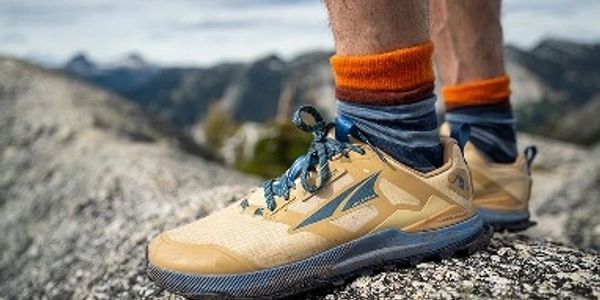
You absolutely need sturdy, broken-in hiking boots that provide excellent ankle support. The trails here are notoriously rocky and uneven, making a twisted ankle a serious risk. Do not attempt this loop in trail runners unless you are an extremely experienced ultralight hiker.
Navigation
Bring a dedicated GPS device or a phone app with downloaded offline maps, but always back it up with a physical map and a compass. Cell service is non-existent, and batteries can fail. Knowing how to read a topographic map is a critical, non-negotiable skill for this area.
Water Filtration
While multiple lakes and streams provide water, you must purify every drop. Giardia and other waterborne bacteria are present in these waters. A lightweight squeeze filter or UV purifier is essential for staying healthy on the trail.
Bear Canister
The Forest Service requires a certified bear-resistant container for all food storage in this backcountry. This is not just a suggestion; it is a rule to protect the area’s black bears and prevent them from becoming habituated to humans. Hanging food is often difficult and less effective in this terrain.
Trekking Poles
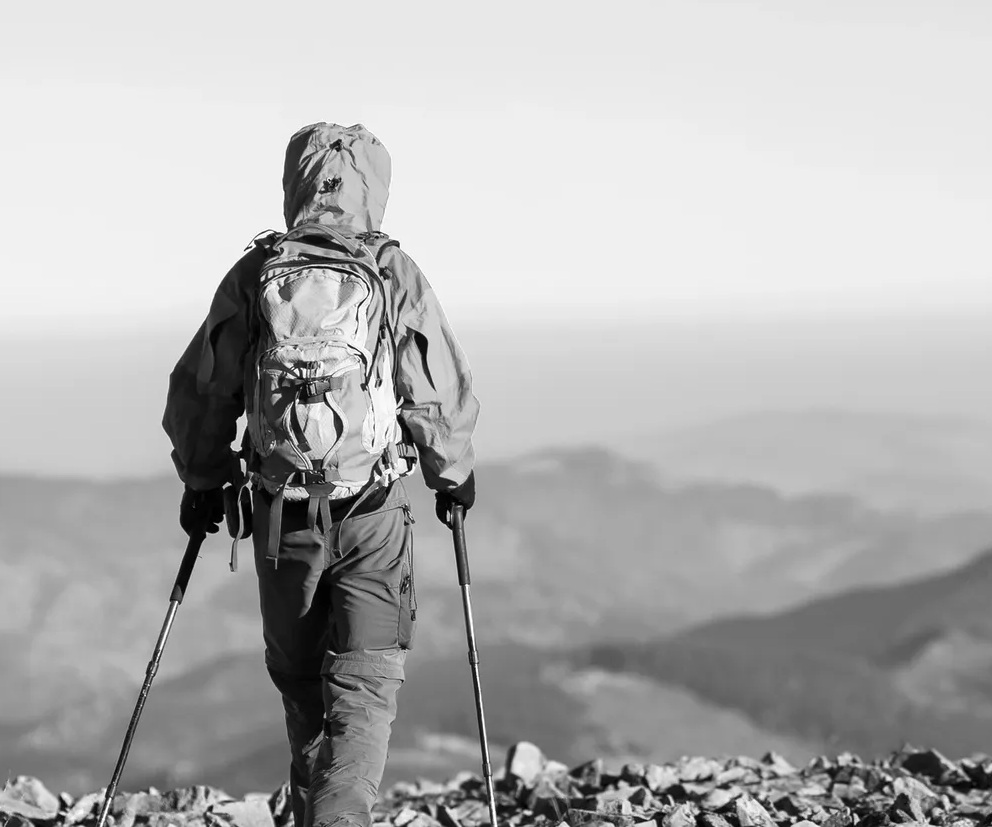
Trekking poles are incredibly useful for navigating the steep and rocky sections, especially on the passes. They help with balance, take a significant load off your knees during descents, and make stream crossings safer. I personally never hike in the Sawtooths without them.
Tips for a Safe & Enjoyable Hike
- Check the Weather: Check the detailed mountain forecast right before you lose service, as high-elevation weather is notoriously unpredictable. Sudden temperature drops, high winds, and electrical storms are common. Be prepared for any conditions, including snow, any month of the year.
- Start Early: The days are long in summer, but starting your hike early (e.g., by 7 AM) is a smart strategy. This helps you avoid the common and dangerous afternoon thunderstorms that build up over the high passes. You’ll also get the best light for photos and have more time to relax at camp.
- Pack Light: Every single ounce counts when you are climbing thousands of feet on a multi-day trip. Lay out all your gear and critically evaluate every item: “Do I truly need this for survival or safety?” A lighter pack is the number one key to a more enjoyable hike.
- Leave No Trace: You must respect this fragile alpine environment by packing out all of your waste, including food scraps and toilet paper. Follow all seven Leave No Trace principles to ensure the wilderness remains pristine. This includes camping on durable surfaces and minimizing campfire impacts.
Final Thoughts on the Sawtooth Loop
The Sawtooth Wilderness Loop offers an unparalleled backcountry experience. It is filled with dramatic scenery, challenging terrain, and peaceful solitude. Are you seeking adventure, breathtaking vistas, or a deep connection with nature? This hike delivers an unforgettable journey. Pack your gear, secure your permit, and get ready to explore one of Idaho’s most spectacular trails!
About the author
Cap Puckhaber is a marketing strategist, finance writer, and outdoor enthusiast. He writes across CapPuckhaber.com, TheHikingAdventures.com, SimpleFinanceBlog.com, and BlackDiamondMarketingSolutions.com. Follow him for honest, real-world advice backed by 20+ years of experience.
The Best 3-Day Backpacking Trips in the U.S.
Ultimate Guide to Backpacking Colorado
Join our Mailing List
Sign up with us now and be the first one to know about our exclusive offers and product updates.
By submitting your information, you`re giving us permission to email you. You may unsubscribe at any time.

Follow Cap Puckhaber on Social Media


About the Author: Cap Puckhaber
Backpacker, Marketer, Investor, Blogger, Husband, Dog-Dad, Golfer, Snowboarder
Cap Puckhaber is a marketing strategist, finance writer, and outdoor enthusiast from Reno, Nevada. He writes across CapPuckhaber.com, TheHikingAdventures.com, SimpleFinanceBlog.com, and BlackDiamondMarketingSolutions.com.
Follow him for honest, real-world advice backed by 20+ years of experience.