
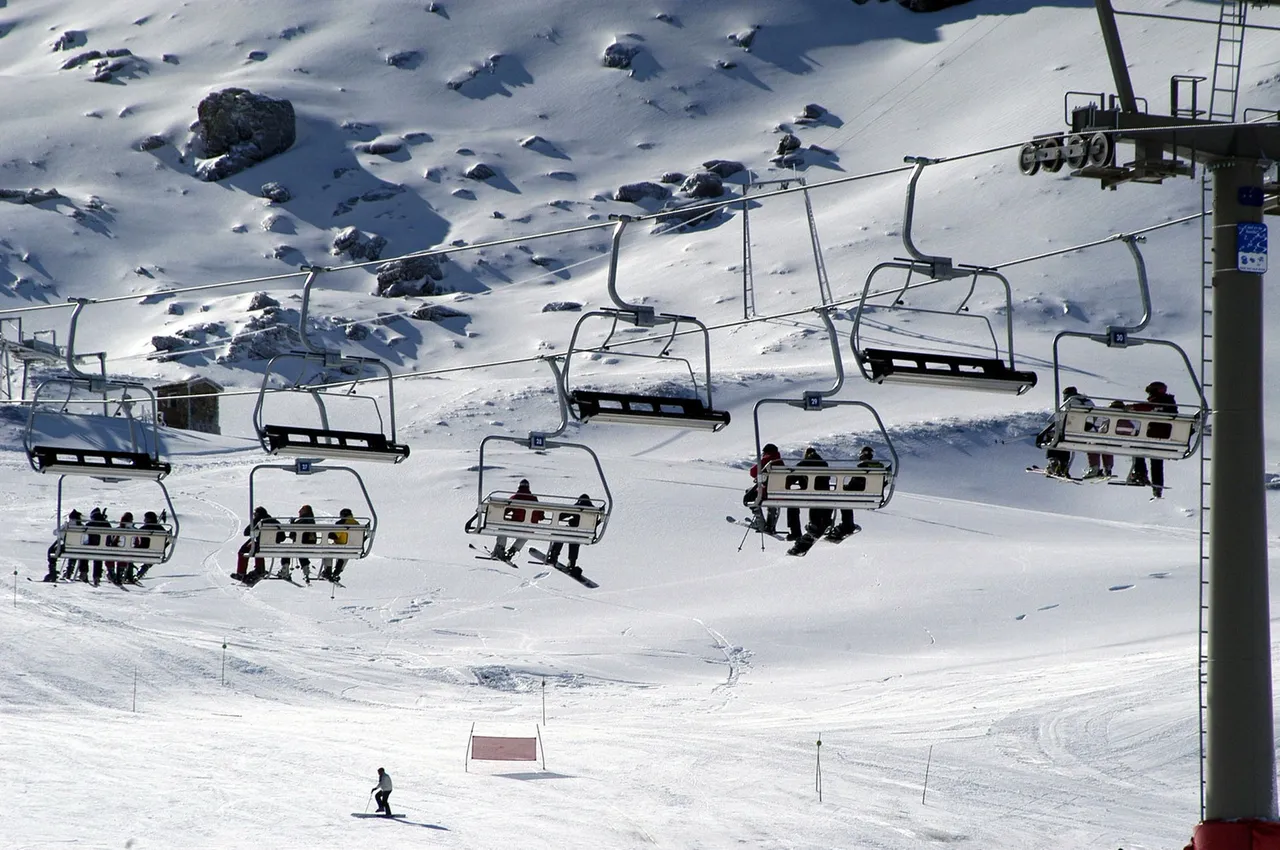
The Future of Resort Skiing and Snowboarding: The Shift from Mountain Culture to Corporate Machine
By Cap Puckhaber, Reno, Nevada
I am Cap Puckhaber, a marketing strategist and outdoor enthusiast who has watched the ski industry transform over two decades. Normally, I write at The Hiking Adventures about the joy of unplugging on a remote trail. But the rising cost of mountain sports requires a hard look at the financial forces reshaping our peaks. If you have been skiing for more than a decade, you have watched the sport change from a community pastime into a polished business machine.
Skiing and snowboarding used to be about freedom and the simplicity of sliding over frozen water. But corporate greed has hijacked the experience. What was once an authentic culture of locals is now a corporatized Disneyland on snow. The price of entry is often obscene. Since the soul of the sport is being crushed under shareholder profits, we must understand how we got here.
The Rise of the Vail and Alterra Duopoly
Two companies now control the vast majority of the North American ski landscape. Vail Resorts and Alterra Mountain Company have swallowed up dozens of independent ski areas. This has created a duopoly that effectively dictates the market price for every skier. Vail alone operates 42 resorts worldwide, including icons like Whistler Blackcomb and Park City.
Alterra Mountain Company formed recently but quickly snapped up major destinations like Mammoth and Steamboat. Together, these giants function as industry gatekeepers. Their strategy involves locking skiers into season pass products like the Epic or Ikon passes. Once a skier is inside the gates, the goal is to maximize revenue from every possible angle.
Vertical Integration and the Capture Model
The corporate model relies on capturing every dollar a tourist spends from the moment they leave their house. Because Vail owns the shuttle service and the rental shop, they don’t need to compete on price. You might think you are choosing a local restaurant for dinner. But in a corporate village, that restaurant often pays rent directly back to the resort owner.
Since the resort controls the infrastructure, they can prioritize their own services over independent ones. I have seen small gear shops forced out because they cannot match the lease rates of corporate-backed storefronts. This creates a sanitized environment where every mountain feels exactly like the last one. But you lose the unique flavor that once defined these historic mountain towns.
The Economic Reality of the $300 Lift Ticket
The numbers tell a staggering story of hyper-inflation within the industry. In 1990, a single day lift ticket at Vail cost only thirty-eight dollars. Today, that same ticket can top three hundred dollars on peak weekends. This represents a seven hundred percent increase in just over three decades. Because this far outpaces standard inflation, it proves that skiing is becoming a sport for the wealthy few.
A family of four might spend over twelve hundred dollars just for lift access on a single Saturday. This does not even factor in rentals, food, or lodging. For many middle class families, the math simply does not work anymore. Since the price of a casual day is so high, the sport feels increasingly exclusive and out of reach.
Why You Should Never Buy a Day Ticket
I strongly advise against ever showing up at a ticket window without a pre-purchased pass. If you pay the window price, you are essentially subsidizing the cheaper season passes for everyone else. The resorts use these “nosebleed” prices as a psychological anchor. They want the thousand-dollar season pass to look like a bargain by comparison.
But this strategy punishes the casual skier who only wants to go once or twice a year. It removes the spontaneity that used to define a snowy Saturday morning. If you don’t plan your entire winter by August, you are financially penalized. Since the industry has moved to this “pre-paid” model, the barrier to entry has never been higher for beginners.
The Pricing Trap for Families
Imagine trying to introduce your children to snowboarding in this current economy. You have to pay for the pass, the gear, and the lessons all before they even touch the snow. If the child decides they don’t like it after an hour, you have already lost hundreds of dollars. This risk prevents many new families from even trying the sport.
Because the financial stakes are so high, parents feel pressured to make the most of every minute. This turns a fun family outing into a high-stress logistical mission. I have seen parents yelling at crying kids on the slopes because of the “sunk cost” of the lift ticket. Since the sport is so expensive, the joy of learning often disappears.
The Hidden Crisis in Mountain Town Housing
Beyond the slopes, consolidation has reshaped the very towns we love. Resorts are no longer just about skiing, they are vertically integrated businesses. Vail Resorts earns hundreds of millions annually from lodging, dining, and retail. When a guest arrives, they often stay in a resort owned hotel and eat at a resort owned restaurant.
This closed loop economy is great for shareholders but tough for local entrepreneurs. Housing in mountain towns has become nearly impossible for actual workers to afford. Short term rental platforms like Airbnb push rents to astronomical levels. Property owners make far more renting to tourists than to the people who run the lifts.
The Commute of the Mountain Worker
In many ski towns, the people who keep the mountains running cannot afford to live there. Ski patrollers and instructors often commute sixty to ninety minutes each way. This disconnect is a ticking time bomb for the service heavy ski industry. According to Backpacker, mountain communities are reaching a breaking point regarding affordability.
I have seen the impact of this firsthand in places like Park City. In late 2024, ski patrollers went on strike for the first time in over fifty years. They demanded higher wages to keep up with the cost of living near their jobs. While they won some increases, the broader housing issue remains unsolved.
The Death of the Local Ski Bum
The classic “ski bum” who worked part-time to ski every day is an endangered species. Today, that lifestyle is a luxury reserved for those with remote tech jobs or family wealth. If you work a service job in a ski town, you are likely working three of them just to pay rent. Because the housing stock is so limited, people are living in vans or crowded basements.
But this loss of the local population changes the atmosphere of the town. You lose the year-round residents who coach the kids’ soccer teams and volunteer at the library. The town becomes a seasonal shell that only comes to life when the tourists arrive. Since the community is hollowed out, the “soul” of the place starts to wither away.
The Short-Term Rental Explosion
Investors have bought up thousands of modest homes to turn them into vacation rentals. While this provides lodging for visitors, it removes the “long-term” rentals that workers need. I have talked to residents who were evicted so their landlord could triple the price on Airbnb. This greed-driven market makes it impossible for a teacher or a firefighter to live in the town.
Because the local government often relies on tourism taxes, they are slow to regulate these rentals. This creates a conflict between the needs of the residents and the desires of the visitors. Since the workers are forced out, the very businesses that attract tourists struggle to find staff. It is a cycle that eventually hurts everyone involved in the mountain economy.
Crowded Slopes and the Hollow Experience
The pitch for multi resort passes was that they would make skiing more affordable. But because everyone is buying them now, the result is absolute chaos on the mountain. On any given Saturday, you will face hour long lift lines and jammed trails. Limited powder is often tracked out by ten in the morning by the sheer volume of skiers.
Instead of improving infrastructure to handle these crowds, many corporations cut corners. Staffing is often minimal and maintenance can lag behind. The on mountain experience feels like an afterthought compared to the goal of selling more passes. You are basically paying premium prices for a crowded and hollow experience.
The Dangers of an Overcrowded Trail
When too many people are on the same run, the risk of collisions increases significantly. I have seen beginners accidentally take on “black diamond” runs because they followed the crowd. Since the resorts want to maximize pass sales, they rarely limit daily capacity. This leads to a dangerous mix of skill levels in tight spaces.
Because the slopes are so packed, you spend more time looking over your shoulder than looking at the view. This constant vigilance ruins the sense of peace that should come with being in nature. But the resort owners don’t seem to care as long as the scanners keep beeping. Since the quality of the “ski” itself is declining, many veterans are leaving the resorts for the backcountry.
The Myth of Improved Infrastructure
The corporations often point to new “high-speed” lifts as a justification for higher prices. But a faster lift just puts more people on the snow at the same time. If the trails aren’t getting wider, the bottleneck just moves from the base to the mountain top. I have waited in a twenty-minute line for a lift that only takes five minutes to ride.
This imbalance creates a frustrating “stop and go” rhythm to the day. You can’t get into a flow when you are constantly stopping to avoid other skiers. Because the mountain has a finite amount of space, “faster” is not always “better.” Since the focus is on volume rather than quality, the user experience continues to suffer.
The Customer Service Vacuum
If you have a problem with your pass or a charge on your bill, good luck finding a human to talk to. Many corporate resorts have moved to “digital only” customer service models. You are forced to use a chatbot or wait on hold for hours with a central office in another state. This lack of accountability is a hallmark of the new corporate ski world.
Because the employees are often seasonal and underpaid, they have little incentive to go the extra mile. I have stood at a closed window while staff members inside ignored the line. Since the company knows you have already paid for your season pass, they have less motivation to keep you happy. It is a far cry from the community-driven hospitality of the past.
The Cost of On Mountain Dining
If you want a burger and a beer at a corporate resort, prepare to empty your wallet. You might drop twenty-five dollars for a basic burger and fifteen dollars for a beer. It feels like getting stadium food at Michelin star prices. Because the resort owns the dining options, they have a captured market with no competition.
Why You Should Always Pack Your Own Lunch
I never eat at the main lodge unless it is an absolute emergency. The prices are offensive, and the quality is usually mediocre at best. I suggest keeping a sandwich in your pocket or returning to your car for a tailgate lunch. This simple step saves you fifty dollars a day and keeps your money out of the corporate coffers.
But the resorts are even starting to crack down on “brown bagging” in the lodges. I have seen security guards tell families they cannot eat their own food at the lodge tables. Since they want to force you into their high-priced restaurants, they remove any free space for guests to sit. This greed-driven policy is another blow to the casual, community-friendly atmosphere of the old days.
The Hidden Fees of Mountain Living
Beyond the ticket and the food, you have to pay for parking, gear storage, and even “early access” to the snow. Some resorts now charge fifty dollars just to park your car near the base. If you want to ski fresh powder before the general public, you have to pay an extra fee for that too. This “nickel and diming” makes the sport feel like a budget airline experience.
Because every amenity has a price tag, you feel like a walking credit card. I miss the days when a lift ticket included a sense of belonging to a mountain community. Now, it just feels like a temporary license to use a commercial facility. Since every interaction is a transaction, the magic of the mountains is slowly disappearing.
Are Resorts Gaining Ground or Losing Money?
One big question is whether these price hikes are necessary for resort survival. The annual reports suggest otherwise. Vail Resorts recently projected a net income of up to two hundred seventy-six million dollars. Lodging revenue topped three hundred million while dining added hundreds of millions more. These are not the numbers of a struggling industry.
The real risk is not short term profit, but long term participation. If skiing prices out too many young people, the future customer base will shrink. This could leave resorts with an aging demographic and fewer new entrants. Corporate strategy currently prioritizes immediate stockholder dividends over the health of the sport’s future.
The Maximizing Shareholder Value Model
Vail has mastered the art of maximizing shareholder value at all costs. Executive compensation remains high while employee benefits are often the first things cut. Former CEOs have cashed out over one hundred million dollars in stock options. Meanwhile, the average seasonal worker struggles to find a bed.
Every time a giant acquires a new resort, the same cycle plays out. They slash operating costs and hike up pass prices immediately. They offer less to the customer while increasing the profit margin. It is the ski industry’s version of Big Tech where users are hooked but quality declines.
The Risk of a Shrinking Talent Pool
If young people cannot afford to start skiing, the industry will eventually run out of instructors and patrollers. Most professional mountain workers started as “ski-obsessed” kids at local hills. But those local hills are being priced out or paved over for luxury condos. I worry that we are destroying the pipeline that sustains the sport.
Because the barrier to entry is so high, we are losing a generation of potential enthusiasts. If the sport is only for the “one percent,” it will lose its cultural relevance. Since the industry is focused on the next quarterly report, they are ignoring this long-term threat. It is a classic case of corporate short-sightedness.
The Fragility of the Pre-Paid Model
The entire industry now relies on people paying for their fun six months in advance. This model works great for the companies during a normal winter. But if we have a series of “low snow” years, people might stop taking that gamble. I have seen friends lose a thousand dollars because a warm winter meant their home mountain never even opened.
Because the passes are non-refundable, the consumer carries all the risk. If the weather doesn’t cooperate, you are stuck with an expensive piece of plastic. Since the climate is becoming more unpredictable, this model may eventually backfire on the resorts. People will only pay upfront for a product they can actually use.
Finding Independent Alternatives
The good news is that corporate skiing is not the only game in town. Independent resorts are still holding out and maintaining the spirit of the sport. Places like Bridger Bowl and Mad River Glen refuse to sell out to the machine. These mountains remain havens for people looking for an authentic experience.
The Indy Pass is a strong example of a successful alternative. It grants access to over one hundred eighty independent resorts for a fraction of the cost. These hills may not have high speed gondolas or five star boutiques. But they deliver great snow, shorter lines, and true local flavor. Supporting these places is a vote for diversity in the industry.
Why Small Hills Still Matter
I grew up skiing on small, local hills with slow lifts and simple lodges. These places were the heartbeat of the community and the gateway for new skiers. You could show up after school and pay twenty dollars for a few hours of turns. This accessibility is what built the sport’s massive following in the middle of the last century.
But many of these small hills are struggling to compete with the marketing power of the mega-resorts. If we lose them, we lose the “on-ramp” for the next generation. I encourage everyone to spend at least one day a year at a local independent hill. Since they don’t have corporate backing, every dollar you spend there keeps a local dream alive.
The Authentic Après Experience
At an independent hill, the bar is likely filled with locals who actually live in the town. You can hear stories about the mountain’s history and get tips on where to find the best snow. It feels like a shared celebration of the sport rather than a commercial transaction. I find that I have more fun at a local dive bar than at a five-star resort lounge.
Because these places aren’t “branded,” they have their own unique personality. You might see old photos on the walls and hand-written signs for the daily specials. This human touch is what makes a mountain town special. Since the corporate world is so sanitized, these independent spots are more valuable than ever.
The Freedom of the Indy Pass
The Indy Pass has become a rallying point for those of us who want to “take back” the sport. It offers two days at each of its partner resorts for a very reasonable price. This encourages you to explore new areas and discover hidden gems. I have found some of my favorite trails by following the Indy Pass map.
Because it supports independent owners, it keeps the diversity of the industry alive. It prevents a total monopoly and gives consumers a real choice. Since the pass is affordable, it keeps skiing accessible for people who can’t drop a thousand dollars on an Epic pass. It is a simple way to resist the corporate takeover of our mountains.
Reclaiming the Soul of the Sport
Skiers are starting to push back against monopolistic behavior. Grassroots efforts to boycott corporate resorts are gaining traction in mountain communities. People are opting for locally owned passes and smaller hills. Because we care about the future of the sport, we must support independent ownership.
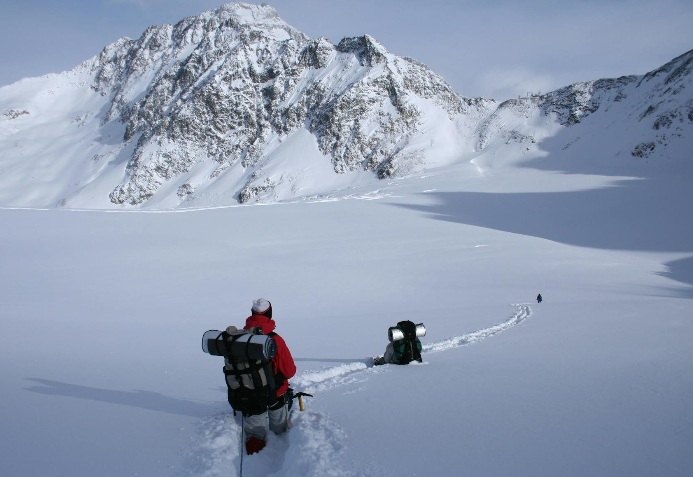
Backcountry skiing has also grown as people seek to escape the crowds. But this comes with its own challenges like avalanche risk. Organizations like the American Avalanche Association warn that increased use strains rescue resources. Education is vital if you choose to leave the resort boundaries.
The Allure of the Human-Powered Turn
I love the feeling of climbing a mountain under my own power. It reminds me that skiing is about more than just riding a lift. You get to earn your turns and experience the mountain in its rawest form. But you must never head into the backcountry without the proper gear and training.
Because the snowpack is unpredictable, a small mistake can be fatal. I always carry a beacon, a probe, and a shovel when I leave the groomed trails. Since the backcountry is getting more crowded, you also have to be mindful of other groups. It is a different kind of responsibility that requires a deep respect for the mountain.
The Rise of Splitboarding
If you are a snowboarder, splitboarding has opened up a whole new world of exploration. You can skin up the mountain like a skier and then join your board for the ride down. I have found this to be the most rewarding way to experience winter. It combines the physical challenge of hiking with the thrill of the descent.
But this gear is expensive and requires a significant learning curve. I suggest taking a guided trip or an introductory course before buying your own setup. Since the backcountry is a high-stakes environment, you need to know how to use your equipment. Cap Puckhaber knows that preparation is the key to a safe and successful trip.
The Importance of Avalanche Safety
I cannot stress this enough: do not go into the backcountry without taking an AIARE Level 1 course. You need to understand terrain traps, snow stability, and rescue techniques. Even if you stay near the resort boundaries, you are still in avalanche country. Because the “side-country” is so accessible, many people take unnecessary risks.
I have seen people with no gear heading into steep bowls after a heavy storm. This is a recipe for disaster and puts the lives of rescuers at risk. Since the mountains don’t care about your skill level, you must respect the conditions. Always check the daily avalanche forecast before you even put on your boots.
Frequently Asked Questions
What are the big three ski resort companies?
The North American industry is dominated by Vail Resorts and Alterra Mountain Company. A third player is Powdr Corp, which owns mountains like Copper and Killington. Together, these three control a massive portion of the market share. This concentration of power allows them to set high prices across the board.
Why has the cost of a lift ticket increased so much?
Consolidation has removed local competition which previously kept prices lower. Resorts now use a high day-rate to force people into buying season passes. Because they want guaranteed upfront revenue, they make daily skiing prohibitively expensive. This strategy ensures they get paid even if the weather is poor.
Is skiing losing popularity because of these costs?
Skier visits remain relatively stable but the demographic is shifting. Casual and middle class skiers are being pushed out by the high barrier to entry. Growth is seen more in the backcountry and at independent hills. The sport is becoming more exclusive which may hurt long term participation.
How does resort consolidation affect local housing?
Resorts often buy up land for luxury developments rather than employee housing. The influx of wealthy pass holders also drives up the demand for short term rental platforms. This removes long term housing stock for the local workforce. Because workers can’t afford local rents, they must commute from distant towns.
What is the best way to support independent skiing?
You should consider buying an Indy Pass or a season pass to a local hill. Supporting small businesses in ski towns also helps keep the local economy alive. Avoid spending money at corporate owned dining and retail when possible. Your dollars are a vote for the type of ski culture you want to see.
Can I still find affordable skiing in 2026?
Yes, but you have to look away from the major destination resorts. Many smaller, community owned hills offer lift tickets for under one hundred dollars. These mountains often have a more welcoming atmosphere and fewer crowds. Since they aren’t driven by shareholder profits, they focus more on the local skiing experience.
Does the corporate model improve safety on the mountain?
The corporate model often focuses on “grooming” and “patrol presence” to minimize liability. While this can help beginners, it often leads to overcrowded trails that increase collision risks. I find that a smaller, less crowded mountain can actually be safer because you have more space to move. Since the corporate goal is volume, safety can sometimes become a secondary concern to throughput.
Why should I care about the CEO’s salary?
The high salaries of executives stand in stark contrast to the low wages of the seasonal workers. When a CEO makes millions while the lift operators can’t afford rent, it shows a fundamental lack of respect for the community. Because the workers are the heart of the experience, this inequality eventually hurts the sport. Since the company prioritizes “stockholder value” above all else, the human element is often lost.
Final Thoughts from Cap Puckhaber
Skiing is currently at a crossroads between corporate luxury and community sport. On one path, prices continue to rise until the sport is only for the elite. on the other, independent hills and grassroots efforts preserve the soul of the mountains. I believe that we can take the sport back by being intentional with our spending.
Take the time to explore a mountain you have never heard of before. You might find that the best days aren’t spent in a heated gondola. They are found on a quiet trail with a community that loves the snow. I will keep mixing it up by supporting the local hills where the spirit of skiing is still alive.
Backcountry Snowboarding Guide
Hiking and Backpacking Blog Posts
The War Against the Privatization of Public Land

Follow Cap Puckhaber on Social Media


About the Author: Cap Puckhaber
Backpacker, Marketer, Investor, Blogger, Husband, Dog-Dad, Golfer, Snowboarder
Cap Puckhaber is a marketing strategist, finance writer, and outdoor enthusiast from Reno, Nevada. He writes across CapPuckhaber.com, TheHikingAdventures.com, SimpleFinanceBlog.com, and BlackDiamondMarketingSolutions.com.
Follow him for honest, real-world advice backed by 20+ years of experience.