Why Camping Without My Phone Is the Only Place I Feel Like Myself
Cap Puckhaber, Reno, Nevada
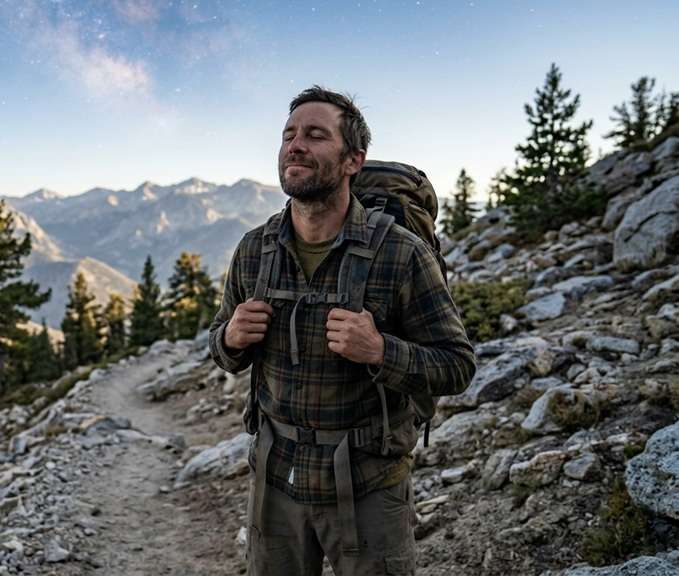
I have spent enough nights under Sierra Nevada stars to know the exact moment my shoulders drop. It happens somewhere between the trailhead and the second mile, right after the last bar of service disappears from my phone. Something in my chest lets go that I did not even know was clenched. I stop rehearsing conversations that have not happened yet. A screen that was never going to give me a real answer finally goes dark and stays dark. Out there, I am not managing a calendar or a mortgage or a doorbell camera. I am just a guy named Cap walking uphill with a pack on his back.
This is not a story about running off to live in a canvas tent forever. I have a family, a mortgage, and a yard that needs mowing every single week in the summer. Still, something happens to me on a trail that does not happen anywhere else, and I have stopped pretending it is a coincidence. Every trip back into the Sierra Nevada backcountry near my home in Reno strips away a version of me I did not choose. What is left standing at the end of six or eight miles feels more honest than the guy who left his car keys on the kitchen counter that morning.
The version of me that shows up at home isn’t real
At home I play a role that society handed me without asking if it fit. I go to work, I keep a social life going, I pay bills, I mow a yard that never stays mowed for long. None of that is bad on its own, but stacked together it becomes a costume I put on every morning. Because the costume never comes off, I forget what is underneath it. My phone buzzes with a delivery notification, then a work email, then a doorbell camera alert about a package that already arrived. So the day fills up with small decisions that do not actually matter.
I used to think this was just adulthood and everyone felt the same low hum of static in their head. Maybe that is true for some people. But I know that when I am hiking the Mount Rose summit trail with eight pounds less pack weight than I carried my first year and zero cell signal after the first switchback, the static stops. It is not relaxation exactly. Remembering something I forgot how to access feels closer to the truth. Christopher McCandless walked away from all of it and never came back, and while I am not chasing that ending, I understand the impulse that sent him toward Alaska.
What happens the moment the bars disappear
There is a specific irritation I feel when I finally reach a scenic overlook and someone near me pulls out a phone because one bar of service showed up. I get it, I really do, but that one bar breaks the spell for everyone standing there. The whole point of walking six miles and gaining twenty two hundred feet of elevation was to leave the group chat behind. Nature does not owe us Wi-Fi, and honestly I am grateful when a trail has none at all.
Something measurable actually happens in the brain during that first hour without a screen. According to the mental health benefits of spending time in nature, time outdoors lowers stress hormones, slows the heart rate, and restores the kind of attention a phone quietly drains all day. I do not need a study to tell me that, but it helps to know the feeling has a name. My mind stops jumping between seventeen open tabs and settles on one thing, usually the trail in front of my boots. That single point of focus is the closest thing to meditation I have ever managed to sit through.
The one bar problem
A single bar of service is almost worse than none at all. Zero bars means the decision gets made for you and the phone goes back in the pack. One bar means somebody is standing at the edge of a ridge checking a score or replying to a text while the sunset happens behind them. I watched this happen at Marlette Lake on a trip last summer, and it stuck with me for weeks. Because a signal exists does not mean it deserves our attention. I would rather hike a route with guaranteed dead zones than one with the tease of a signal that pulls people back into their pockets.
The old radio explains it better than I can
My grandfather kept an old AM radio in his garage that only worked if you found the exact right angle for the antenna. Move it an inch too far and the music dissolved into static, and you had to hunt around again until the song came back clear. That is the closest comparison I have found for what daily life with a phone in my pocket feels like. Constant static in the background, occasionally clearing just enough to catch a fragment of something real before the noise rolls back in. A trail with no signal is the version of that radio finally tuned in, no static, no hunting, just the song all the way through.
I did not understand why my grandfather kept that broken radio around instead of buying a newer one. Now I think he liked the ritual of tuning it, the small effort required to get something clear out of something noisy. Modern life skips that effort entirely and hands us noise by default, clear signal only rarely, and never guaranteed. Hiking is my version of standing in that garage turning the antenna by hand until the static finally drops away.
Into the Wild and the pull to disappear completely
Every hiker I know who loves the backcountry has a moment where the movie Into the Wild comes up. Emile Hirsch played a young man named Christopher McCandless who walked away from a comfortable future and a stack of consumer expectations to live alone in the Alaskan wild. Pearl Jam wrote the soundtrack, and the mood of that music matches a person trying to shed every layer society wrapped around him. I do not romanticize how that story ends. But I understand, in my bones, why a person would want to test how little he actually needs.
What pulls me toward that story is not the wilderness survival part. It is the refusal to keep playing a game that never asked if I wanted to play it. Work hard, buy things, pay off the things, repeat until retirement, then hope there is enough energy left to enjoy it. That sequence never sat right with me, even before I had language for why. So when I load a pack and drive toward the Desolation Wilderness trailhead, I am not just going for exercise. Part of me is testing, in small and survivable doses, how much of that machine I can step outside of for a weekend.
What I actually do when I unplug near Reno
My go to reset is the Mount Rose summit trail, a ten mile round trip that gains about twenty two hundred feet before it tops out above ten thousand feet. I leave the truck by six in the morning so I have the ridge mostly to myself. My phone stays in the glove box on purpose, not in airplane mode in my pocket, because I know myself well enough to know a pocket is not a real barrier. Two thousand feet up, cell service disappears completely, and that gap between me and every notification is the entire point of the drive. By the time I reach the summit, I have usually stopped thinking about anything specific at all, which is exactly the goal.
Other months I head toward Desolation Wilderness with a pack closer to thirty two pounds, down from the forty four pounds I hauled on my first overnight trip years ago. That weight difference came from learning what I actually need instead of what I feared I might need. A stove, a filter, a sleeping bag rated for the actual temperature instead of a worst case guess, and enough food to eat well without carrying three days of backup snacks I never touch. Cutting twelve pounds changed how far I could comfortably go in a day, and it changed how present I could be once I got there. A lighter pack means less pain, and less pain means my mind stops narrating the hike and starts just experiencing it.
The mistake that taught me to leave the phone behind
I did not always do this well. On an early trip to Castle Peak I brought a battery pack specifically so I could keep my phone alive the entire weekend, and I spent half of Saturday afternoon trying to get one bar near the ridge line so I could post a photo. My friend finally asked why I drove two hours to sit on a rock and stare at a screen instead of the view in front of me. That question embarrassed me because I did not have a good answer. Since that trip, the phone goes in the truck, off, before my boots hit the trailhead, and I have not looked back.
A night at Marlette Lake that I still think about
Two summers ago I hiked in to Marlette Lake for an overnight, six miles each way with a pack around thirty pounds and no plan beyond watching the stars. I reached camp with about two hours of daylight left, enough time to filter water, set up the tent, and eat before the temperature dropped. No phone, no watch notifications, nothing but the sound of wind moving through Jeffrey pines and the occasional splash of a fish somewhere out on the lake. Once it got fully dark, the Milky Way showed up clearer than I have ever seen it from anywhere near a city, and I sat on a rock for close to an hour without doing anything at all.
That hour of sitting still is what I mean when I talk about finding a real self. There was no task, no notification, no version of me performing for anyone, just a guy on a rock under more stars than his eyes knew what to do with. I did not think about work or bills or the yard once during that hour, not because I was trying to avoid them, but because none of it felt real up there. Coming back down the trail the next morning felt like putting on a coat that did not fit as well as it used to. That gap between the two versions of me is exactly what keeps pulling me back onto the trail.
The promises I make on the drive home and never keep
Every single time I drive back down the mountain, I make the same list in my head. Eating cleaner tops it, followed by reading actual books instead of scrolling before bed. Spending less time online and more time doing something with my hands usually rounds out the list. For about four days, I actually follow through, and then a work deadline or a school pickup or a bill that is due resets everything back to normal.
I used to think failure meant something was wrong with my willpower. Now I think it just means I am trying to bolt a wilderness mindset onto a life that was not built to hold it. Wi-Fi reaches every room of my house, my job requires a laptop, and my kid has a school portal that pings my phone every time an assignment posts. None of that disappears just because I spent a weekend without it, and pretending otherwise was setting myself up to feel like I failed at something that was never actually possible in the first place.
What actually stuck
A few small things did stay with me even after the rest slid back to normal. I leave my phone in another room while I eat dinner with my family, and I take one hike a month with zero plan to post about it anywhere. These changes do not look impressive from the outside, but they are the pieces of that mountain clarity I managed to smuggle back into daily life. So instead of chasing the whole overhaul, I now aim for the one habit I can actually keep past the first week.
What happens if the internet reaches everywhere and public land keeps shrinking
I think about this more than I probably should on the drive up to a trailhead. Satellite internet already reaches places that had zero signal five years ago, and some ridgelines I used to count on for silence now pick up a weak connection through a personal hotspot device. I have read predictions that automation could eliminate the need for the majority of jobs by around 2030, and I do not know if that number holds up, but the direction of the trend does not feel far fetched. If work becomes optional and the internet becomes unavoidable, the question I keep circling back to is whether true disconnection will even be possible anywhere on the map.
Public land access worries me even more than signal creep. In the past year, proposals to sell off large sections of national public land moved through Congress before hikers and outdoor groups pushed back hard enough to stop them. Groups like Washington Trails Association collected thousands of signatures fighting a plan that would have handed over land that belongs to all of us to private buyers. That fight is not finished, and it will not stay finished just because one version of the bill got pulled. If the places I drive to when my brain needs quiet get sold off and fenced, the whole question of finding yourself outdoors becomes a luxury instead of a right.
How I unplug without pretending I live off the grid
I want to be clear about something before this goes further. I am not interested in becoming an online personality who films a beautiful campsite and tells you to buy the tent in the description box. That kind of content sells a lifestyle nobody in the video is actually living full time, and it always struck me as backwards. The people I respect most in the outdoors are the ones nobody has heard of, the ones who hike because the trail matters more than the audience. My goal with this site has never been to fake that life for clicks, only to be honest about what actually works for a regular guy with a job and a family.
Real unplugging does not require quitting your job or selling your house. It starts with small, boring choices, like leaving the phone in the car for an afternoon hike close to home, or picking one weekend a month with no signal at all. REI has a good rundown on trail etiquette around electronics that is worth a read before your next group trip. So I keep it simple now. One phone free hike a week, one longer trip a season with real mileage and real elevation, and a habit of noticing when I reach for my pocket out of boredom instead of need.
Building a routine my family can live with
None of this works if it turns into a fight with my wife or makes my kid feel ignored. So the plan has to include them instead of running away from them. We do a phone free breakfast on weekends, no exceptions, and I take my son on the shorter Hunter Creek trail near town so he gets the same reset in miniature. He is seven and already notices the difference in how I talk to him once we are two switchbacks in. That buy in from my own family matters more than any personal streak I could brag about online.
Is this just an excuse to avoid responsibility
People sometimes push back on me when I talk this way, and I understand the concern behind it. Nobody wants to hear that responsibility is a costume, especially the people counting on me to show up for them. My wife still needs a partner who pays the mortgage on time. My son still needs a dad who helps with homework and shows up at his games. So no, this is not a case for walking away from any of that, and I want to be honest about the difference between the two ideas.
What I am describing is smaller and, I think, more useful than dropping out entirely. Carrying real weight at home does not require carrying a phone that buzzes every four minutes with something that could have waited. A person can pay every bill on time and still protect two hours on a Saturday where nobody can reach him except in a true emergency. That balance took me years to find, and I still lose it more often than I would like to admit. But the goal was never to escape the responsibilities. The goal was to stop letting a screen convince me that every single notification carried the same weight as those responsibilities, when almost none of them actually did.
Frequently Asked Questions
Does hiking actually reduce stress or is that just a feeling
Yes, and the effect is measurable, not just anecdotal. Time in green space lowers cortisol, slows heart rate, and restores attention that screens tend to drain throughout a normal day. I notice it fastest on the Mount Rose trail, usually within the first mile once the trailhead traffic noise fades out. That physical shift is part of why a short hike near home can help even when a longer wilderness trip is not possible that week.
How do I stay safe with no cell service
I carry a small satellite messenger that can send an SOS signal even with zero bars, and I always tell someone my exact route and return time before I leave. A paper map and compass live in my pack as backup, because batteries die and screens crack. None of that defeats the purpose of unplugging, since a satellite messenger only activates in an emergency and otherwise sits silent in a side pocket. Being prepared and being unreachable by choice are not the same thing.
What if I cannot unplug completely because of family or work
Start smaller than you think you need to. A single afternoon with the phone left at home teaches you more about your own habits than a week long trip you can never actually schedule. Pick one recurring block of time, even two hours on a Sunday, and protect it the same way you would protect a work meeting. Consistency in small doses beats a rare, big attempt that burns you out before it starts.
Will public land access change in the future
Nobody can say for certain, and I try not to make predictions I cannot back up. What I do know is that public land only stays public when people show up, speak up, and use it. The recent fight over proposed land sales showed that organized hikers can still change an outcome in Congress. That is one more reason to actually visit these places instead of just hoping they will still be there later.
Why does the outdoors feel more like my real self than home does
Home comes loaded with roles I did not fully choose, like employee, homeowner, and constant respondent to notifications. The trail strips those roles away because none of them apply once you are three miles in with no signal. What is left is closer to a default setting, the version of you before responsibilities got layered on top. That does not make the responsibilities fake, but it does make the trail feel like the one place where the layers finally come off.
My Picks for Zion National Park Hikes
Grand Canyon Guide to Closures and Trails
Hiking and Backpacking Yellowstone
Check out news on new national park fees
Follow Cap Puckhaber on Social Media
- Connect with Cap Puckhaber on Facebook
- See Cap Puckhaber’s latest adventures on Instagram
- Read Cap Puckhaber’s thoughts on X
- Join the conversation on Threads
- Follow Cap Puckhaber on Mastodon
- Browse my Pins on Pinterest
- See my Hiking Articles on Medium
- Follow Cap Puckhaber’s Company Page on LinkedIn
- More Hiking and Snowboarding on BSKY
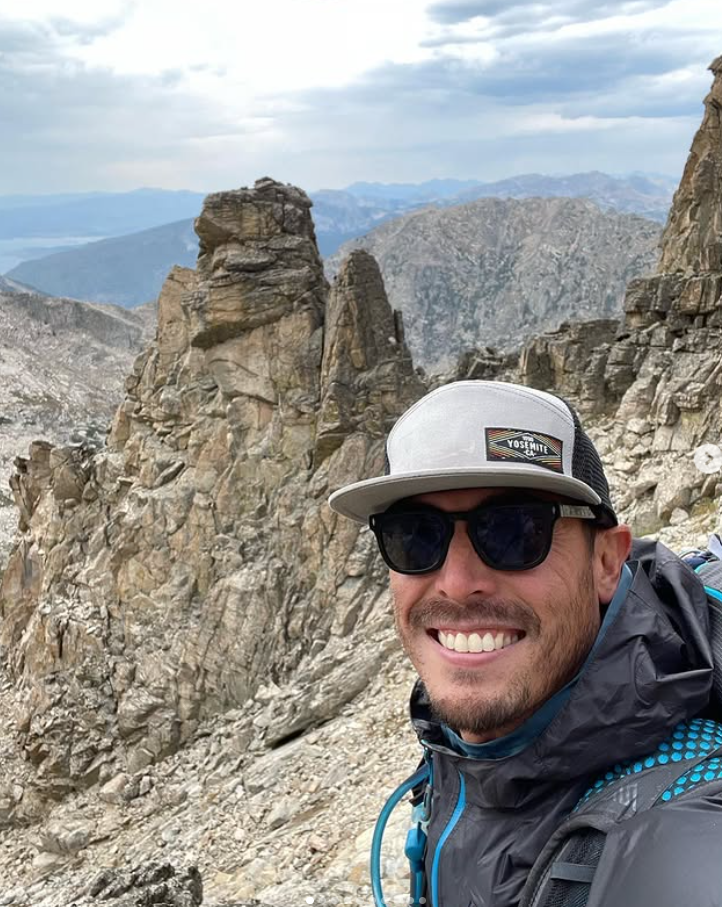
Cap Puckhaber
Backpacker, Marketer, Investor, Blogger, Husband, Dog-Dad, Golfer, Snowboarder
Cap Puckhaber is a marketing strategist, finance writer, and outdoor enthusiast from Reno, Nevada.
He writes across CapPuckhaber.com, TheHikingAdventures.com, SimpleFinanceBlog.com, and BlackDiamondMarketingSolutions.com.
Follow him for honest, real-world advice backed by 20+ years of experience.